Atlético Madrid x Tottenham: Deep Analysis for Brazil Fans
Updated: March 16, 2026
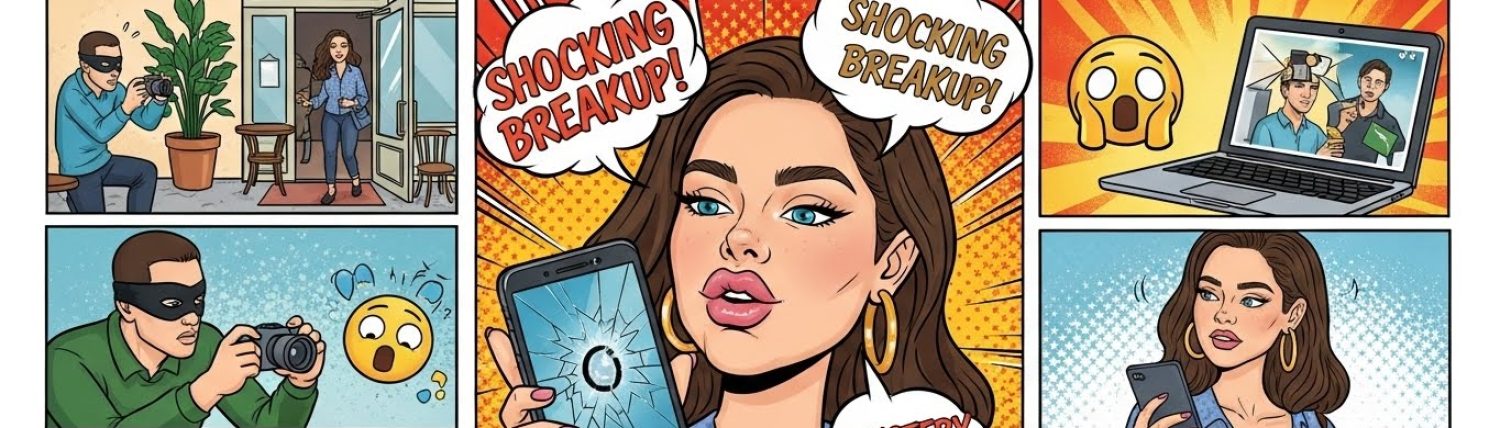
Across Brazil, the phrase secret Celebrity News Brazil has become a watermark across social feeds, tabloids, and gossip podcasts. In a country where cinema, music, and futebol stars shape culture as much as politics, what counts as clandestine celebrity news often reveals more about public appetite for secrets than about the stars themselves.
The Privacy Dilemma in a Privacy-Driven Era
In this climate, public interest collides with personal boundaries. The uptake of smartphones means private moments can become public with astonishing speed, and media outlets face pressure to produce exclusives that move the needle. Brazilian celebrities increasingly rely on lawyers and publicists who frame what stays private as a strategic asset. When a well-known actor or singer hesitates to share, the news cycle may interpret silence as permission for speculation, creating a feedback loop that rewards sensationalism over substantiated reporting.
The privacy debate intersects with technology regulation. As LGPD protections mature, content producers must navigate ethical boundaries and consent, while fans bargain for access that feels intimate yet never violates consent. The outcome is a fragile equilibrium: information is power, but power requires responsibility.
PR Machinery and the Brazilian Celebrity Ecosystem
Behind every headline about secret News Brazil is a carefully calibrated PR machine. Agents and managers curate timing, gate what gets released, and choreograph appearances that maximize visibility while minimizing reputational risk. A calculated leak can reset a star’s narrative, steering conversations toward topics that are easier to control than an unfiltered moment in public. In the current climate, even a routine red-carpet moment becomes a strategic event, with brands and sponsors watching not just what is worn, but what it signals about character and reliability.
Industry dynamics encourage a category of news that blends lifestyle, philanthropy, and personal milestones into a single story arc. This hybrid coverage borrows credibility from journalism while serving promotional needs. The potential danger is normalization: audiences come to expect curated, PR-approved glimpses of private life, making it tougher for genuine investigative work to emerge in celebrity circles.
Social Media, Fans, and the Spectacle
Social platforms have accelerated the tempo of secret Celebrity News Brazil, turning fan engagement into a direct, real-time feedback loop for public figures. A post can unleash a swarm of interpretations, memes, and demands for more transparency. For younger celebrities, platform-native vulnerabilities—such as comments from a global audience—can compoundingly magnify everyday missteps. The spectacle is not merely about what is reported but how quickly readers react, share, and monetize impressions through sponsorships and affiliate links.
In this environment, authenticity becomes a premium. Celebrities who successfully translate private resilience or professional setbacks into accessible narratives gain credibility that is harder to earn through polished press releases alone. Conversely, overexposure without accountability can erode trust, making a once-beloved figure feel transactional to a fanbase hungry for meaning beyond the next exclusive.
Economic Pressures and the News Climate
The business model of celebrity media in Brazil increasingly leans on clicks, streams, and sponsorships. The secret Celebrity News Brazil niche thrives when audiences crave voyeuristic curiosities, but sustainable reporting requires boundaries, corroboration, and a clear distinction between rumor and verified fact. As media outlets confront advertising tides and newsrooms shrink, the temptation to publish early or sensational content grows, underscoring the risk of inaccuracies and reputational harm—even for well-intentioned outlets.
This tension has real consequences for stars who rely on public perception for career longevity. A misinterpreted comment or a miscaptioned photo can derail negotiations for upcoming roles or endorsements. The pragmatic question for readers is how to tell high-stakes journalism from entertainment marketing—especially when both can feel equally persuasive in the moment.
Actionable Takeaways
- Readers: verify claims with multiple sources before sharing; approach celebrity coverage as analysis rather than rumor.
- Industry: invest in clear editorial standards that separate reporting from marketing or PR-driven narratives.
- Celebrities: engage with media training and transparent communication to shape credible narratives without sacrificing privacy.
- Brands: prioritize responsible partnerships and avoid sponsoring content that relies on unverified gossip.
- Policymakers: consider privacy protections that balance public interest with personal rights in high-visibility culture.
Source Context
Related discussions and analysis that inform this piece:
Actionable Takeaways
- Track official updates and trusted local reporting.
- Compare at least two independent sources before sharing claims.
- Review short-term risk, opportunity, and timing before acting.