Llaneros FC x Jaguares de Córdoba: Deep Analysis for Brazil Fans
Updated: March 16, 2026
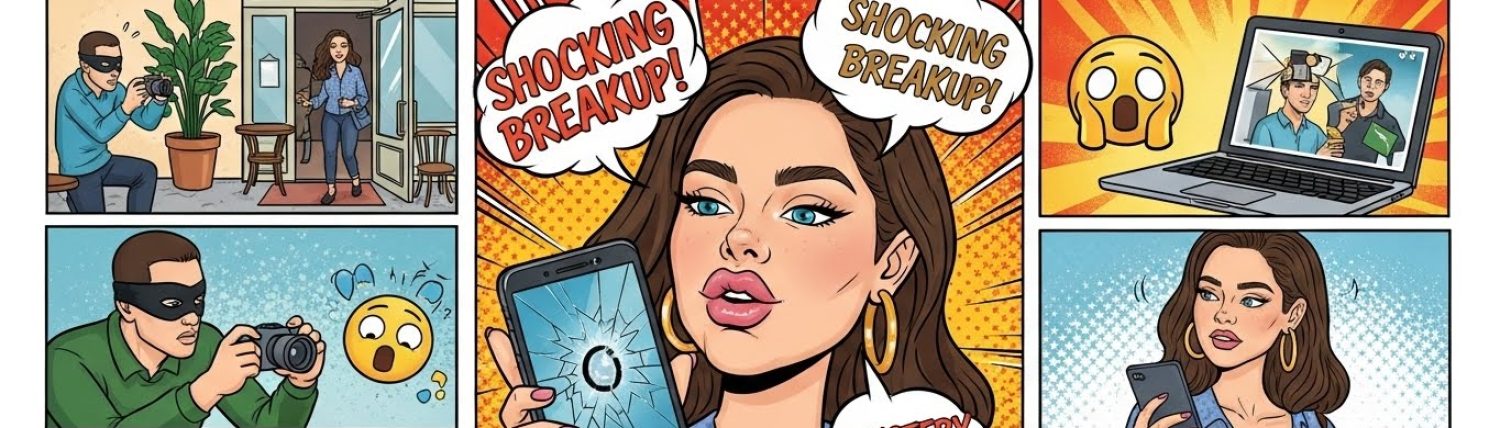
In the evolving world of meta Celebrity News Brazil, industry watchers note a convergence of lawsuits, platform policy shifts, and consumer behavior as Meta challenges advertisers tied to celeb-bait scams. This opening frames a broader question: how will Brazil’s ad ecosystem adapt when courtrooms, apps, and audiences push for greater authenticity and tighter brand safety?
Context: The Celeb-Bait Landscape in Brazil
The Brazilian social-media environment has long rewarded rapid virality, sometimes at the cost of authenticity. In recent months, advertisers report a sharper focus by platforms on what counts as legitimate endorsement, especially when celebrity likenesses, fictional narratives, or impersonations appear alongside discount pitches or investment schemes. While tech giants historically prioritized growth and reach, the current moment edges toward heightened scrutiny: brand safety teams are increasingly testing for synthetic media, misrepresented endorsements, and deceptive affiliate links. In this context, campaigns built around celebrities—whether real or purported—are more likely to trigger warnings from compliance teams, regulators, and even consumers who have learned to vet images and videos more carefully. This shift matters in Brazil, where social-media traffic shapes music releases, fashion cycles, and public conversations about politics and culture. The stakes extend beyond reputational risk to include privacy concerns and potential liability for advertisers who fail to vet content and the media used to promote it.
Meta’s Legal Push: Signals for Advertisers in Brazil
The wave of lawsuits reported in international outlets indicates a broader strategy: Meta is signaling that it will hold advertisers and networks to tighter standards when celebrity content is leveraged to lure engagement. While specifics vary by region, the underlying claim—advertisers used or misrepresented celebrity imagery to deceive users—puts a premium on provenance, consent, and contextual integrity. For Brazilian brands and agencies, this matters because it suggests a shift in how campaigns are planned, approved, and measured. The legal tension also raises questions about cross-border enforcement, data-tracking practices, and the adequacy of local contracts to address synthetic media. In practical terms, Brazilian advertisers may need clearer internal playbooks for evaluating third-party creative assets, separate endorsement approvals for influencers, and robust disclosures when a post or video blends paid promotion with entertainment content. The result could be a more deliberate, slower, but safer advertising ecosystem that prioritizes verifiable authenticity over rapid scale.
Audience, Trust, and the Creator Economy in Brazil
Public trust in the influencer and celebrity ecosystem has always been fragile—Brazilian audiences are highly engaged with stars across reality TV, music, sports, and streaming. When deepfakes or misleading edits surface, viewers often interpret them as authentic, especially if the production quality mimics professional media. The immediate impact is not only misinformed consumer choices but a chilling effect: audiences may become wary of branded content, especially if it features beloved celebrities, leading to reduced engagement, lower ad recall, and increased skepticism about influencer collaborations. For creators, the climate pushes toward greater transparency and disclosure, which can fragment audiences but also raise the premium on genuine partnerships and verifiable endorsements. In a market where many campaigns rely on a mix of celebrity reach and micro-influencers, the proportional risk to brand credibility grows if audiences perceive a mismatch between message and media provenance. The longer-term consequence could be a reallocation of ad budgets toward platforms that offer stronger verification tools and clearer regulatory alignment, potentially reshaping how the Brazilian creator economy allocates talent and resources.
Actionable Takeaways
- Brand marketers should implement asset provenance checks, require signed consent for celebrity likeness, and document endorsement approvals to reduce liability and improve auditing trails.
- Ad agencies should build internal playbooks for vetting third-party creatives, including checks for synthetic media indicators and cross-referencing with official celebrity channels before launch.
- Platforms operating in Brazil should advance detection capabilities for deceitful content, enforce transparent labeling of paid promotions, and publish clear guidelines for advertisers and creators.
- Consumers should verify authenticity by checking official accounts, looking for clear disclosures, and reporting suspicious content to the platform and consumer protection bodies.
- Journalists and researchers should maintain rigorous sourcing and avoid re-purposing manipulated media without clear context; offer media literacy resources to readers.
- Legal teams should align contracts with evolving Brazilian consumer-protection norms and international best practices on trademark, image rights, and advertising disclosures.
Source Context
Selected coverage framing Meta’s actions and the global context of celeb-bait lawsuits: