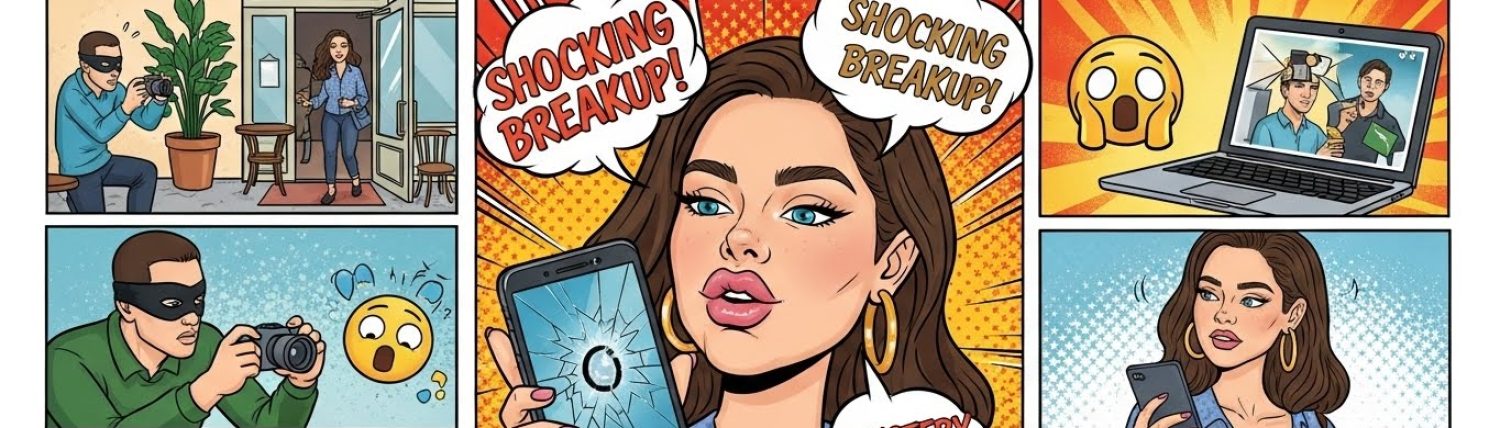

Influencer Feuds: The Impact and Aftermath on Their Careers and Brands
In the vibrant world of social media, influencers have become the celebrities of the digital age, wielding significant power over trends and consumer behavior. However, with great power comes great responsibility—and sometimes, great drama. Influencer feuds have become a staple of online culture, capturing the attention of millions and often resulting in lasting impacts on the careers and brands of those involved. In this article, we delve into the dynamics of influencer feuds, examining the various ways these disputes can shape public perception and alter brand relationships.
Understanding Influencer Feuds: The Modern-Day Soap Opera
Influencer feuds often start from seemingly insignificant disagreements, yet they can explode into full-blown public spectacles. Unlike traditional celebrities, influencers are expected to maintain a level of authenticity and accessibility that can make their disputes feel more personal and engaging to their followers. The accessibility of platforms like Instagram, Twitter, and YouTube allows fans to witness these feuds in real-time, often participating through comments and shares.
The reasons behind these feuds can vary widely, from business disagreements and creative differences to personal vendettas. For example, the public clash between beauty influencers James Charles and Tati Westbrook in 2019 was rooted in a complex web of personal and professional issues, ultimately resulting in millions of views, countless memes, and a significant reshuffling of subscriber counts.
The Immediate Impact of Feuds on Influencer Careers

When influencers engage in public disputes, the immediate impact on their careers can be significant. Followers may choose sides, leading to a rapid increase or decrease in subscriber numbers. This shift can affect an influencer’s bargaining power with brands, as follower count and engagement metrics are crucial factors in determining an influencer’s market value.
Moreover, the risk of being “canceled” looms large over any public feud. Online audiences can be unforgiving, and an influencer perceived as being in the wrong may face significant backlash, including loss of sponsorships and collaborations. For instance, the fallout from the James Charles and Tati Westbrook feud saw both influencers lose subscribers and face scrutiny over their business practices and personal behavior.
Long-Term Consequences for Personal Brands
While immediate impacts are often dramatic, the long-term consequences of influencer feuds can be even more profound. An influencer’s personal brand is built on trust and relatability, and a public feud can damage both. Rebuilding a tarnished image requires time, effort, and strategic public relations work.
For some influencers, a feud can be an opportunity to rebrand and reach new audiences. By addressing the issues head-on and demonstrating growth, influencers can sometimes emerge stronger. However, this requires a careful balance of humility and assertiveness, as well as a willingness to engage with their audience transparently. A well-managed crisis can lead to a successful comeback, but it is not guaranteed.
Brand Partnerships: A Delicate Balance
Brands that partner with influencers must navigate the aftermath of feuds carefully. While influencer partnerships offer brands access to niche markets and authentic endorsements, a public dispute can compromise these efforts. Brands must assess whether continuing a partnership aligns with their values and consumer expectations.
In some cases, brands may choose to distance themselves from an influencer embroiled in controversy to protect their own reputation. However, others may decide to stand by an influencer, particularly if they believe the feud does not reflect the influencer’s overall character or if the influencer has taken steps to address the issues.
Ultimately, brands must weigh the risks and benefits of maintaining or severing these relationships. The decision can have significant implications for both the brand’s public perception and its bottom line.
How Fans and Followers Influence the Outcome
In the digital age, fans and followers wield considerable influence over the outcome of influencer feuds. Their reactions can amplify the conflict, sway public opinion, and even dictate the trajectory of an influencer’s career. Social media platforms enable fans to voice their support or disapproval instantly, creating a real-time feedback loop that influencers must navigate carefully.
Engaged followers may defend their favorite influencers passionately, while critics may use the opportunity to highlight perceived flaws or inconsistencies. The role of fandom in these disputes cannot be underestimated, as it can both exacerbate and ameliorate the effects of a feud.
Case Studies: Notable Influencer Feuds
Examining specific cases of influencer feuds provides valuable insights into their dynamics and outcomes. One of the most talked-about feuds was between beauty moguls Jeffree Star and Kat Von D, which began over a business dispute and quickly escalated into personal attacks. Both parties saw shifts in their follower counts and brand partnerships, illustrating the volatility of such conflicts.
Another notable case involved YouTubers Logan Paul and KSI, whose rivalry initially began as a personal conflict but evolved into a highly publicized boxing match. This feud demonstrated how influencers can leverage disputes creatively, turning potential negatives into lucrative opportunities.
Conclusion: Navigating the Complex World of Influencer Feuds
Influencer feuds are a complex phenomenon that can have far-reaching impacts on the careers and brands of those involved. While they often start from minor disagreements, the public nature of social media can magnify these disputes into major events with significant consequences.
For influencers, the key to navigating a feud successfully lies in maintaining transparency, engaging with followers authentically, and managing public relations strategically. Brands, on the other hand, must carefully consider their partnerships and how they align with their values and consumer expectations.
As the landscape of social media continues to evolve, influencer feuds are likely to remain a captivating aspect of digital culture. By understanding the dynamics and potential outcomes of these conflicts, influencers and brands can better prepare to address the challenges and opportunities they present.
Strategies for Conflict Resolution and Damage Control
When embroiled in a feud, influencers and brands can employ various strategies to mitigate damage and resolve conflicts. A proactive approach, focusing on clear communication and transparency, often proves most effective. Here are some key strategies:
- Public Apologies and Statements: Issuing a sincere public apology or statement can help quell tensions. It’s crucial for the involved parties to acknowledge any mistakes and take responsibility for their actions. This approach demonstrates maturity and can rebuild trust with followers and partners.
- Mediation and Private Discussions: Sometimes, resolving a feud privately is the best course of action. Engaging a neutral third party to mediate discussions can help influencers reach a resolution without further public drama. This strategy can prevent additional negative publicity and allow for a more thoughtful resolution.
- Content Strategy Adjustment: Influencers may need to adjust their content strategies post-feud to better align with their audience’s preferences and expectations. This might involve creating more personal content, engaging with follower feedback, or exploring new creative directions.
- Collaborative Initiatives: In some cases, turning a feud into a collaborative effort can benefit all parties involved. Joint projects, such as live discussions, charity events, or co-created content, can transform a negative situation into a positive one, fostering goodwill and community engagement.
The Role of Media and Public Perception
The media plays a significant role in shaping public perception of influencer feuds. Coverage by prominent publications and digital platforms can amplify the reach and impact of a dispute, influencing how it is perceived by the public. Media outlets often highlight the most sensational aspects of a feud, which can skew public perception and intensify the conflict.
Influencers must be mindful of how they are portrayed in the media and consider engaging public relations professionals to help manage their image. By crafting a consistent narrative and addressing any misinformation, influencers can better control the narrative surrounding their feud.
For brands, media coverage of a feud involving a partnered influencer can be a double-edged sword. While it can increase visibility, it can also associate the brand with negative connotations. Brands should carefully monitor media coverage and be prepared to issue statements that clarify their stance and commitment to their values.
Future Trends in Influencer Feuds
As social media continues to evolve, so too will the nature of influencer feuds. Emerging platforms and technologies may introduce new dynamics to these disputes, offering both challenges and opportunities for influencers and brands. Here are some potential future trends:
- Virtual Reality and Augmented Reality: As VR and AR technologies become more mainstream, influencers may engage in feuds through immersive experiences, potentially creating new forms of content and interaction.
- Increased Accountability: With growing awareness around online behavior, there may be increased accountability for influencers involved in feuds. Platforms could implement stricter guidelines and consequences for inappropriate conduct, encouraging more respectful interactions.
- Decentralized Platforms: The rise of decentralized social media platforms could change how feuds are conducted and perceived. These platforms may offer more privacy and control over content, affecting the public’s ability to engage with and influence disputes.
While the landscape of influencer feuds is likely to change, the fundamental aspects of human interaction—conflict, resolution, and growth—will remain constant. Influencers and brands that navigate these challenges successfully will be those that prioritize authenticity, responsibility, and innovation.
Conclusion: Embracing Lessons Learned
Influencer feuds, while often viewed as mere entertainment, offer valuable lessons about communication, conflict resolution, and the power dynamics of digital fame. By examining the causes and effects of these disputes, both influencers and brands can better prepare to handle future challenges, ensuring they emerge stronger and more resilient.
Ultimately, the key to thriving in the world of social media lies in understanding its complexities and embracing the lessons learned from past experiences. As influencers continue to shape culture and commerce, their ability to navigate feuds and maintain strong, positive relationships with their audiences will be crucial to their enduring success.
About the Author