Influencer Feuds: The Impact and Aftermath on Their Careers and Brands
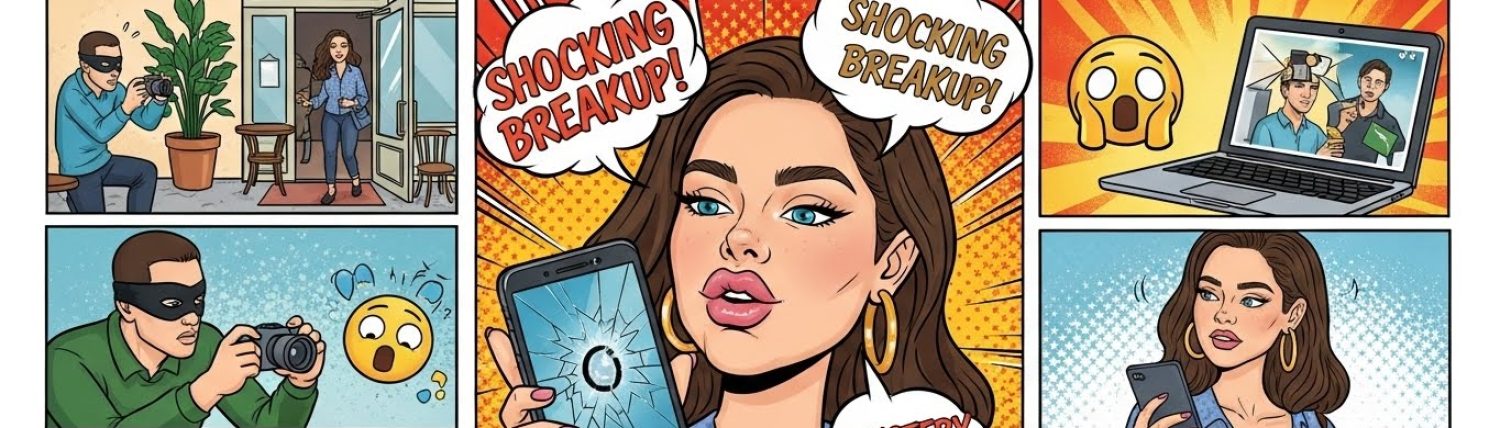
The digital age has introduced us to a new type of celebrity: the influencer. With their massive followings and the ability to sway public opinion, influencers have become powerful voices in media, marketing, and culture. However, with great power comes great responsibility—and sometimes, great drama. Influencer feuds have become a staple of online entertainment, but what are the real consequences of these public spats? This article explores the impact and aftermath of influencer feuds on their careers and brands.
The Rise of Influencer Culture
Before diving into the effects of influencer feuds, it’s essential to understand the context in which they occur. Influencer culture has exploded over the past decade, with social media platforms like Instagram, YouTube, and TikTok serving as launchpads for new-age celebrities. These platforms have democratized fame, allowing individuals with unique perspectives or talents to amass large followings and monetize their influence.
Influencers come from all walks of life, covering niches from fashion and beauty to gaming and fitness. The influencer economy has grown significantly, with brands investing heavily in partnerships to reach target audiences more effectively than traditional advertising.
The Nature of Feuds in the Influencer World
In the high-stakes world of social media, influencer feuds can erupt over various issues, including competition for followers, brand deals, or personal disagreements. Unlike traditional celebrity feuds, which might be confined to tabloids, influencer drama plays out in real-time, often involving direct communication with fans through comments, videos, and live streams.

These feuds are fueled by the very nature of social media, where engagement is key. Drama attracts attention, boosts views, and encourages interaction, even if it’s negative. Thus, some influencers might engage in feuds intentionally to remain in the spotlight, a phenomenon known as “clout chasing.”
Impact on Influencer Careers
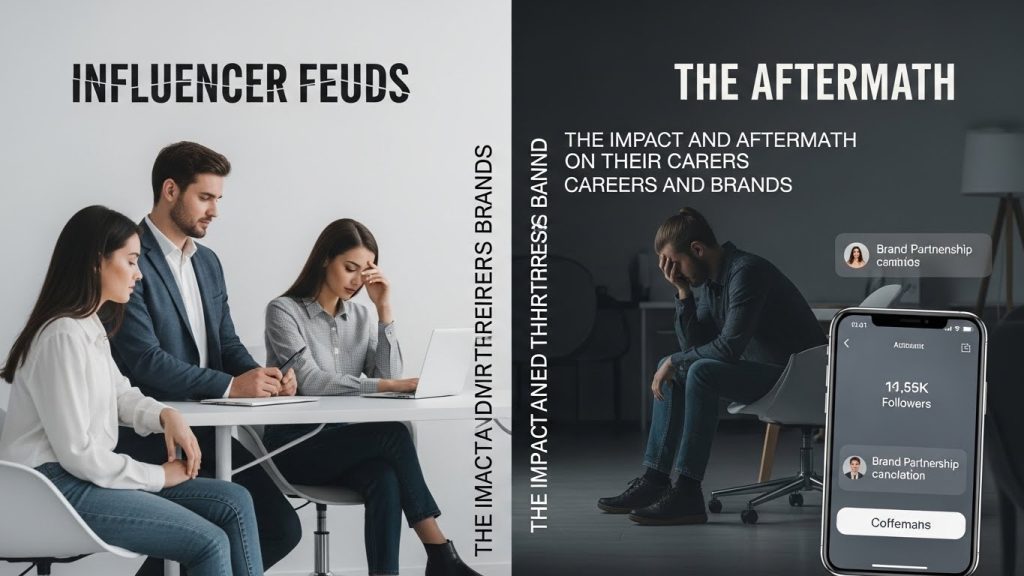
While feuds can temporarily boost an influencer’s visibility, they often come with long-term ramifications. One of the most significant impacts is on the influencer’s reputation. In a digital landscape where trust is paramount, a damaged reputation can lead to a loss of followers and decreased engagement.
Furthermore, brands typically avoid associating with influencers embroiled in controversy. Companies invest in influencer marketing because they want to reach audiences in a positive light. When an influencer’s image is tarnished, brands may choose to distance themselves, leading to a loss of lucrative partnerships.
A well-documented case is the feud between prominent beauty influencers James Charles and Tati Westbrook. Their public fallout led to a significant loss of subscribers for Charles, demonstrating how quickly a feud can impact an influencer’s career trajectory.
Impact on Brands Associated with Influencers
Brands that partner with influencers caught in feuds may also face backlash. Consumers are increasingly conscious of the values and behavior of the people representing the products they buy. If an influencer is involved in a feud, it can reflect poorly on the brand, leading to a potential loss of customer loyalty.
However, some brands navigate these situations strategically, either by taking a neutral stance or by capitalizing on the increased visibility. The brand’s response can either mitigate damage or exacerbate it, depending on how aligned they are with their audience’s values.
The Role of Social Media Platforms
Social media platforms play a crucial role in both the escalation and resolution of influencer feuds. These platforms provide the stage for the drama to unfold and often have policies in place to manage harassment, bullying, and other negative behaviors that can arise during feuds.
Platforms like YouTube and Instagram have community guidelines aimed at curbing toxic behavior, but enforcing these rules can be challenging. The platforms must balance between allowing free expression and maintaining a positive environment for all users.
The role of digital platforms in influencer feuds highlights the complex relationship between social media companies and the content creators who drive their success. As these platforms continue to evolve, their policies and enforcement will likely play a significant role in the dynamics of influencer feuds.
The Aftermath: Rebuilding and Moving Forward
For influencers, rebuilding after a feud requires strategic effort. They must often apologize to their audience, address their behavior, and demonstrate a commitment to change. This process can take time and may involve rebranding or shifting content focus to regain trust.
Some influencers successfully bounce back by leveraging their transparency and vulnerability, turning a negative situation into an opportunity for growth. Others may struggle to recover, particularly if the feud has exposed deeper issues or lost the support of their core audience.
Ultimately, the aftermath of a feud can serve as a turning point for influencers, leading to a more profound connection with their audience or marking the decline of their online presence.
Takeaways
Influencer feuds are an intriguing aspect of modern digital culture, offering both entertainment and lessons about the consequences of public disputes. While these feuds can temporarily boost visibility, they often carry long-term impacts on an influencer’s career and the brands they associate with. As the influencer economy continues to grow, understanding the dynamics of these conflicts and their aftermath is crucial for influencers, brands, and audiences alike.
For influencers, the key to navigating feuds lies in maintaining authenticity, transparency, and a clear understanding of the values they wish to represent. As audiences become more discerning, the importance of integrity in the influencer space cannot be overstated. To learn more about the intricate world of influencer marketing, visit this comprehensive guide on the subject.
Learning from Feuds: Best Practices for Influencers and Brands
Given the potential fallout from influencer feuds, both influencers and brands can take proactive steps to mitigate risks and manage public perception effectively. Here are some best practices for both parties to consider:
For Influencers:
- Maintain Professionalism: Even when emotions run high, maintaining a level of professionalism can prevent further escalation and help preserve one’s reputation.
- Engage in Constructive Dialogue: If a disagreement arises, engaging in constructive dialogue instead of public confrontation can lead to more positive outcomes. Consider private discussions or mediated conversations as alternatives to public spats.
- Apologize Sincerely: If an influencer is in the wrong, a sincere apology can go a long way in repairing the relationship with their audience. A well-crafted apology should be timely, genuine, and reflect a willingness to improve.
- Focus on Content Quality: Consistently delivering high-quality content can help offset the negative attention from a feud. It reminds followers why they were interested in the influencer in the first place.
For Brands:
- Conduct Thorough Vetting: Before partnering with an influencer, brands should conduct comprehensive vetting to ensure the influencer’s values align with their own. This includes reviewing past content and public behavior.
- Develop Crisis Management Plans: Brands should have a clear plan in place for managing potential crises, including influencer feuds. This plan should outline communication strategies and decision-making processes.
- Communicate Transparently: In the event of a feud, transparent communication with consumers can help maintain trust. Brands should clearly explain their stance and any actions they intend to take.
- Prioritize Long-term Relationships: Building long-term relationships with influencers who consistently demonstrate professionalism and integrity can reduce the risk of being caught up in feuds.
Case Studies: Learning from Past Feuds
Examining past influencer feuds can provide valuable insights into the potential outcomes and strategies for managing similar situations. Here are a few notable examples:
The PewDiePie Controversy
Felix Kjellberg, better known as PewDiePie, faced significant backlash over controversial jokes that led to several brand partnerships being terminated, including a high-profile deal with Disney. This situation highlights the importance of understanding audience sensitivities and the potential consequences of controversial content. PewDiePie managed to recover by addressing his mistakes and refocusing on his core content, demonstrating a commitment to change. More on this can be read in this detailed report.
Jaclyn Hill’s Product Launch
Beauty influencer Jaclyn Hill faced a significant backlash following the launch of her cosmetics line, which was marred by product quality issues. The situation escalated when Hill’s responses were perceived as defensive, exacerbating public discontent. This case underscores the importance of transparency and quality assurance in product launches. Despite initial setbacks, Hill worked to rebuild her brand by addressing product issues and improving quality control.
The Future of Influencer Feuds
As the influencer industry continues to evolve, so too will the nature and impact of influencer feuds. With the increasing importance of social media in our daily lives, these feuds are likely to become even more public and influential. However, the growing awareness of the consequences may also lead to more careful navigation of public conflicts.
Influencers who prioritize authenticity, transparency, and ethical conduct are likely to thrive, even in the face of potential feuds. Similarly, brands that choose partners with aligned values and maintain clear communication channels can mitigate risks associated with these disputes.
Ultimately, the future of influencer feuds will depend on the ongoing relationship between influencers, their audiences, and the brands they represent. As the digital landscape continues to shift, staying informed and adaptable will be key for all parties involved.
For further insights into managing public perception in the digital age, consider exploring this comprehensive analysis on reputation management.
About the Author