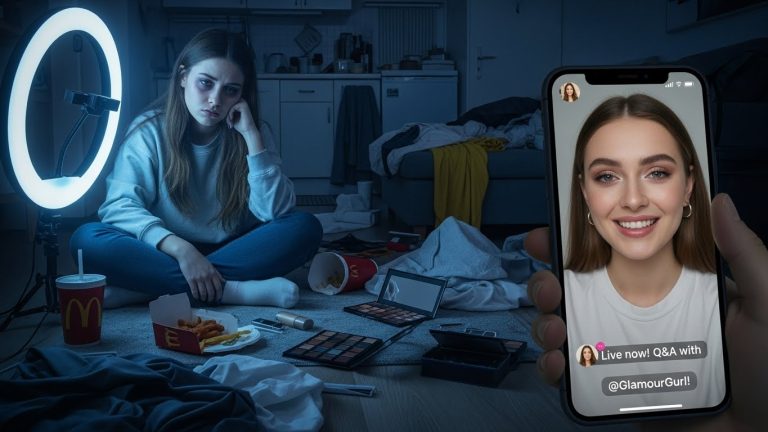

Behind the Glamour: The Dark Side of Being a Social Media Influencer
In the digital age, the rise of social media influencers has transformed the way we perceive fame and success. These individuals, often with millions of followers, appear to lead glamorous lives filled with brand deals, luxurious travels, and an ever-growing fan base. However, beneath the surface, the life of a social media influencer can be far from idyllic. This blog post delves into the complexities and challenges that influencers face, providing a deeper understanding of the reality behind the glamorized facade.
The Pressure to Maintain Perfection
One of the most pervasive issues in the influencer world is the constant pressure to maintain an image of perfection. This is not only about physical appearance but also about projecting an ideal lifestyle. Influencers are often expected to curate their lives in a way that is aesthetically pleasing and aspirational, which can lead to immense stress and anxiety. According to a study by Psychology Today, the pressure to appear flawless can result in mental health struggles, including anxiety and depression.
The pursuit of perfection is amplified by the competitive nature of the influencer market. As new influencers emerge daily, maintaining relevance requires constant innovation and engagement, which can be exhausting. The fear of losing followers or brand deals often drives influencers to work tirelessly, sacrificing their personal time and well-being.
Financial Instability and Uncertainty

Despite the perception of wealth, many influencers face financial instability. The income of a social media influencer is often unpredictable and heavily reliant on brand collaborations and sponsorships. Unlike traditional jobs, there is no steady paycheck, and payments can be delayed or withheld, creating financial stress.
Moreover, the volatility of social media platforms adds another layer of uncertainty. Changes in algorithms, platform policies, or a decline in user engagement can significantly impact an influencer’s reach and income. A Forbes article highlights how algorithm changes can drastically affect visibility and engagement, leaving influencers scrambling to adapt.
The Impact on Personal Relationships
The influencer lifestyle can take a toll on personal relationships. The demands of constantly creating content and engaging with followers often mean that influencers spend significant time online, sometimes at the expense of their offline relationships. The need to document their life for their audience can intrude on personal moments, leading to tension and misunderstandings with family and friends.
Additionally, the public nature of social media can subject influencers’ personal lives to scrutiny and judgment. This exposure can lead to unwanted attention and harassment, affecting both the influencers and their loved ones. It is not uncommon for influencers to experience cyberbullying, which can have devastating effects on mental health and self-esteem.
The Ethical Dilemmas of Influencer Marketing
The emergence of influencer marketing has raised several ethical concerns. Influencers often face dilemmas regarding the authenticity of the products they promote. The pressure to secure lucrative deals can sometimes lead to endorsements of products that they do not genuinely support or use. This can damage their credibility and trust with followers, as highlighted in a Business Insider report on influencer marketing ethics.
Moreover, the lack of transparency in disclosing paid partnerships can lead to legal issues. Many countries have implemented regulations requiring influencers to clearly state when content is sponsored, but not all influencers comply, either out of ignorance or deliberately. This can result in fines and a tarnished reputation.
The Psychological Toll of Constant Connectivity
Being constantly connected to social media can have significant psychological effects. Influencers are often required to be online and available to engage with their audience at all times. This constant connectivity can lead to burnout, a state of chronic stress and fatigue that can impact both personal and professional life.
The need for validation through likes, comments, and shares can also affect an influencer’s self-esteem and mental health. The impact of social media on mental health is well-documented, with studies showing a correlation between heavy social media use and increased rates of depression and anxiety.
Conclusion: Navigating the Influencer Landscape
While the life of a social media influencer may seem glamorous and enviable, it is fraught with challenges and complexities. The pressure to maintain an ideal image, financial instability, the impact on personal relationships, ethical dilemmas, and the psychological toll of constant connectivity are just a few of the issues influencers face.
Understanding these challenges is crucial for both aspiring influencers and their audience. As followers, it’s important to approach influencer content with a critical eye, recognizing that what is presented online is often a curated version of reality. For those considering a career as an influencer, it’s essential to be aware of the potential pitfalls and to prioritize mental health and well-being over the pursuit of online fame.
Ultimately, the influencer landscape is one of both opportunity and risk. By acknowledging and addressing the dark side of being a social media influencer, we can strive for a more balanced and authentic digital world.
Strategies for Managing the Dark Side
Given the complexities and challenges faced by influencers, it is vital to implement strategies that can help mitigate these issues. Here are some effective approaches that influencers can adopt to maintain balance and sustainability in their careers:
Set Boundaries
One of the most critical strategies is establishing clear boundaries between personal and professional life. This includes setting specific times for content creation and engagement, and ensuring there is ample time for offline activities and self-care. By creating a structured schedule, influencers can prevent burnout and maintain healthier relationships.
Embrace Authenticity
Authenticity is key in building and maintaining an honest connection with followers. Influencers should focus on promoting products and lifestyles that genuinely resonate with them. By being transparent about paid partnerships and personal beliefs, influencers can foster trust and credibility with their audience. As discussed in a Harvard Business Review article, authenticity can be a powerful tool for personal and professional growth.
Seek Professional Support
Mental health is a critical aspect of managing the pressures of being an influencer. Seeking support from mental health professionals, such as therapists or counselors, can provide valuable insights and coping mechanisms. Additionally, joining influencer support groups or networks can offer a sense of community and shared understanding.
Diversify Income Streams
Relying solely on brand deals and sponsorships can be financially risky. Influencers should consider diversifying their income through other avenues such as merchandise, digital products, or offering personal services like coaching or consulting. This diversification can provide a more stable financial foundation and reduce the anxiety associated with fluctuating social media earnings.
Stay Informed and Adapt
The digital landscape is constantly evolving, and staying informed about changes in social media platforms, algorithms, and industry trends is crucial. Influencers should invest in continuous learning and be willing to adapt their strategies as the market shifts. Leveraging resources such as online courses, webinars, and industry conferences can keep influencers ahead of the curve.
The Role of Followers in Supporting Influencers
While influencers play a significant role in managing their own challenges, their followers also have a part to play in creating a healthier digital environment. Here are some ways in which followers can support their favorite influencers:
Engage Positively
Positive engagement can be incredibly uplifting for influencers. Leaving supportive comments, sharing content, and providing constructive feedback can help influencers feel valued and appreciated. Followers should aim to foster a sense of community and positivity within the influencer’s online space.
Respect Privacy
It’s essential for followers to respect the personal boundaries of influencers. Understanding that not every aspect of an influencer’s life is meant for public consumption can help maintain a respectful and considerate relationship. Followers should avoid prying into personal matters and allow influencers to share content at their own comfort level.
Promote Ethical Practices
Encouraging ethical practices in influencer marketing is crucial for the industry’s integrity. Followers can support influencers who are transparent about sponsorships and choose to work with brands that align with their values. By holding influencers accountable, followers can contribute to a more ethical and authentic influencer landscape.
Conclusion: Moving Forward in the Influencer Era
The influencer industry is undoubtedly a dynamic and influential part of modern culture, offering both opportunities and challenges. By recognizing and addressing the dark side of being a social media influencer, both influencers and their followers can contribute to a healthier and more sustainable digital ecosystem.
For influencers, adopting strategies that prioritize authenticity, mental health, and financial stability are essential steps towards long-term success. Meanwhile, followers can play a supportive role by engaging positively, respecting privacy, and promoting ethical practices.
As we move forward in the influencer era, it is essential to foster a culture of transparency, empathy, and mutual respect. By doing so, we can ensure that social media remains a platform for genuine connection and creativity, rather than a source of undue pressure and stress.
About the Author