
Updated: March 16, 2026
In the realm of brazilian Celebrity News Brazil, audiences navigate a constant churn of talent, controversy, and transformation that reflect broader shifts in Brazilian society.
Context: Fame in a Networked Nation
Brazil hosts one of the world’s most active social media ecosystems, where a single viral moment can propel a performer from anonymity to household name within days. In such a landscape, authenticity, aesthetics, and audience interaction converge into a public economy of attention. Celebrities in Brazil now juggle scripted projects, live streams, and brand partnerships, while fans demand more intimate access and real-time updates. This dynamic creates opportunities for resilience and entrepreneurship, but it also magnifies vulnerability to rumor, pressure to maintain a certain image, and exposure to online harassment.
Industry Dynamics: Beauty Standards, Platforms, and Risk
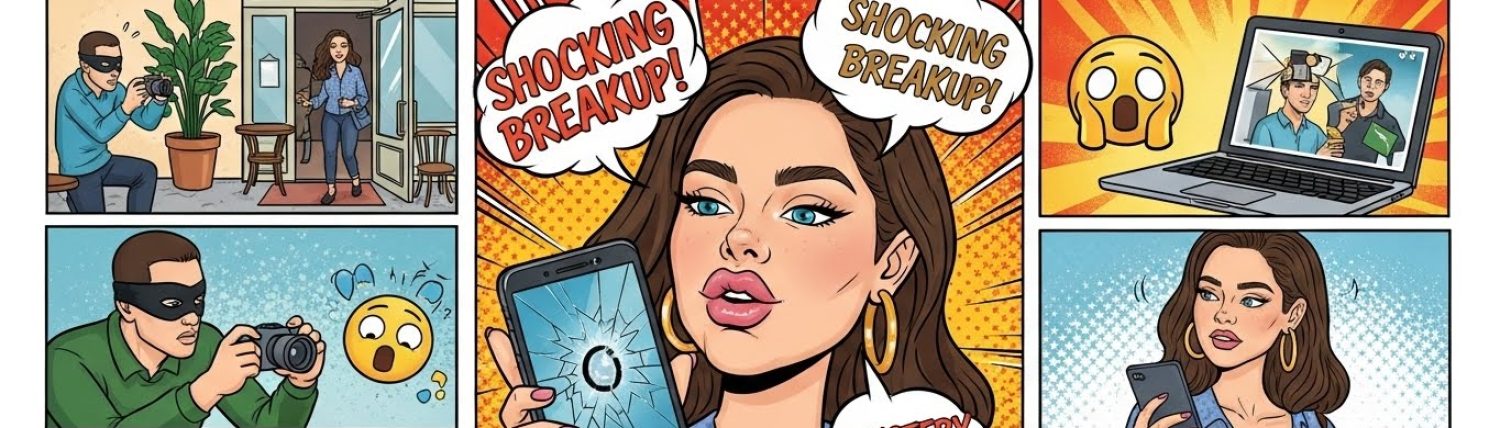
Public fascination with beauty and success fuels a robust market for cosmetic procedures, lifestyle brands, and ‘dream’ narratives about transformation. When a high-profile case surfaces—such as a report of an influencer’s death following cosmetic surgery—the episode reverberates beyond a single tragedy. It prompts questions about clinic accountability, medical oversight, and the ethics of glamorizing risky enhancement. Platforms amplify both praise and scrutiny, shaping who is considered a role model and what counts as responsible endorsement. The Brazilian market’s scale means that even fringe creators can become mainstream icons, but the price of that visibility is often borne by personal safety and mental health.
Policy, Regulation, and Responsibility
Policy conversations in Brazil now increasingly address the tension between free expression and consumer safety in celebrity culture. Regulators, professional bodies, and platforms are pressed to balance creative freedom with clear guidelines on medical advertising, influencer disclosures, and platform moderation. For audiences, this means building media literacy and critical evaluation habits, especially when narratives blur the line between aspirational content and real-world risk. Industry players are called upon to implement safety protocols, transparent sponsorship disclosures, and ethical standards for collaborations that involve health or cosmetic claims.
Audience Impact and Economic Realities
Fans in Brazil engage in a participatory economy: comments drive engagement metrics, merch and appearances monetize influence, and social networks convert attention into revenue streams for both veterans and new entrants. This economic reality influences content pacing, release strategies, and the power dynamics between agencies, creators, and audiences. In this environment, civic discourse around celebrity culture evolves, with fans increasingly demanding accountability and more nuanced portrayals of fame that reflect everyday Brazilian life rather than fantasy. The result is a sharper, more pragmatic Brazilian Celebrity News Brazil that acknowledges both the glamour and the gravity of public life.
Actionable Takeaways
- Verify claims and check multiple sources before sharing or reacting to sensational celebrity news.
- Support industry standards that prioritize safety, informed consent, and transparent sponsorship disclosures.
- Encourage media literacy among audiences to distinguish aspirational content from potential health or safety risks.
- Advocate for platform policies that curb harassment while preserving legitimate expressions of creativity and opinion.
Source Context
From an editorial perspective, separate confirmed facts from early speculation and revisit assumptions as new verified information appears.
Track official statements, compare independent outlets, and focus on what is confirmed versus what remains under investigation.
For practical decisions, evaluate near-term risk, likely scenarios, and timing before reacting to fast-moving headlines.
Use source quality checks: publication reputation, named attribution, publication time, and consistency across multiple reports.
Cross-check key numbers, proper names, and dates before drawing conclusions; early reporting can shift as agencies, teams, or companies release fuller context.
When claims rely on anonymous sourcing, treat them as provisional signals and wait for corroboration from official records or multiple independent outlets.
Policy, legal, and market implications often unfold in phases; a disciplined timeline view helps avoid overreacting to one headline or social snippet.
Local audience impact should be mapped by sector, region, and household effect so readers can connect macro developments to concrete daily decisions.
Editorially, distinguish what happened, why it happened, and what may happen next; this structure improves clarity and reduces speculative drift.
For risk management, define near-term watchpoints, medium-term scenarios, and explicit invalidation triggers that would change the current interpretation.