Balancing Influence and Privacy: How Top Influencers Manage Their Personal Lives
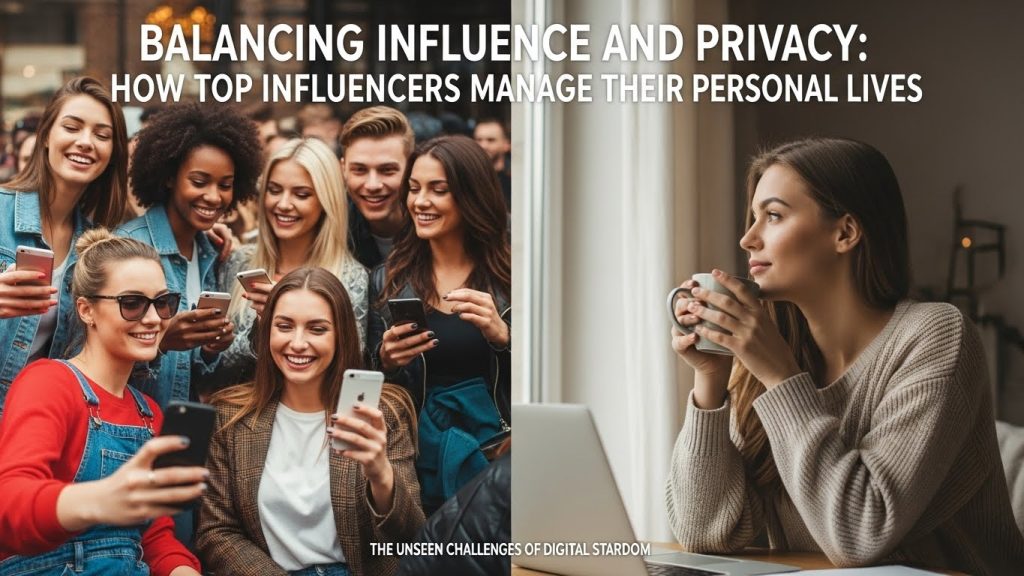
In today’s digital age, influencers have become household names, often garnering more attention than traditional celebrities. With massive followings on platforms like Instagram, YouTube, and TikTok, these social media stars wield significant influence over consumer behavior and public opinion. However, with great power comes an equally significant responsibility: managing the delicate balance between public influence and personal privacy.
The Allure of the Influencer Lifestyle
The influencer lifestyle is often portrayed as glamorous, filled with exotic travel, high-end fashion, and exclusive events. This perception is not without merit. Influencers often receive free products, sponsorship deals, and opportunities to collaborate with well-known brands. Yet, the constant demand for content creation means these individuals are perpetually in the public eye, which can lead to an invasion of privacy.
Many influencers begin their journey by sharing personal stories, which helps establish a connection with their audience. This transparency can foster a sense of authenticity, an essential factor in successful influencer marketing. However, as their following grows, so does the scrutiny of their personal lives, which can result in challenges to maintaining privacy.
The Challenges of Maintaining Privacy
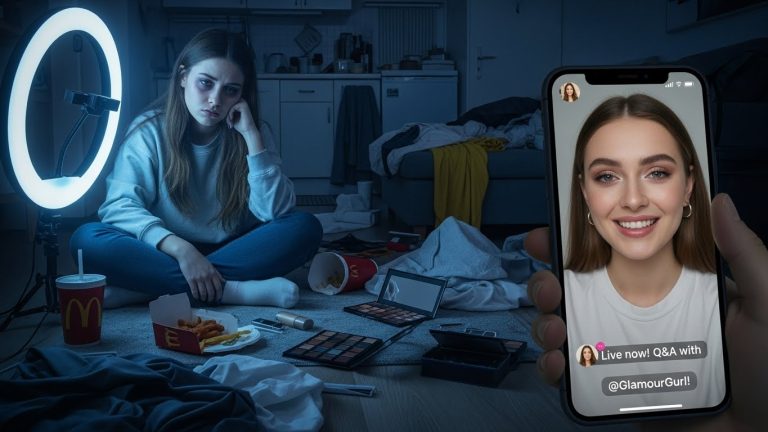
One of the most significant challenges influencers face is the intrusion of their personal lives into the public sphere. With fans eager for insights into their daily routines, relationships, and lifestyle choices, influencers often struggle to maintain boundaries. The pressure to share can lead to oversharing, which may have adverse effects on their mental health and personal relationships.
Moreover, the digital footprint left by influencers can be permanent. Once personal information is shared online, it can be difficult, if not impossible, to retract. This permanence is particularly problematic when influencers wish to pivot their careers or step back from the public eye.

Strategies for Maintaining Privacy
Despite these challenges, many top influencers have developed strategies to protect their privacy while maintaining their public personas. One common tactic is to establish clear boundaries regarding what they will and will not share online. This might include keeping family life private or avoiding discussions about personal relationships.
Another strategy is to create separate accounts for personal and public use. This allows influencers to engage with their audience on their terms while keeping certain aspects of their lives away from the public eye. Additionally, some influencers employ digital tools and legal measures to safeguard their privacy, such as using privacy settings on social media platforms or trademarking their online personas.
Case Studies: Influencers Who Balance Privacy and Public Life
Several influencers have successfully managed to maintain a balance between influence and privacy. For example, the popular beauty influencer Huda Kattan shares beauty tips and tutorials while keeping her family life relatively private. By focusing her content on her professional expertise, she maintains a strong connection with her audience without exposing her personal life.
Similarly, tech reviewer Marques Brownlee provides in-depth gadget reviews while rarely delving into personal topics. His audience appreciates the consistency and quality of his content, which does not rely on personal anecdotes.
The Role of Social Media Platforms
Social media platforms also play a crucial role in influencing the balance between public and private life. These platforms have introduced various tools and features to help users manage their privacy. For instance, Instagram’s “Close Friends” feature allows users to share stories with a select group, and YouTube offers privacy settings that can restrict who views certain videos.
Furthermore, social media platforms have become increasingly aware of the mental health implications of constant online engagement. As a result, they have implemented measures to reduce burnout, such as encouraging breaks from social media and providing resources for mental health support.
The Importance of Mental Health
The pressure to maintain a public persona while protecting personal boundaries can take a toll on influencers’ mental health. Many influencers have spoken out about the stress and anxiety that comes with the territory, advocating for a greater focus on mental wellness within the industry.
For instance, influencer and mental health advocate Zoe Sugg has openly discussed her struggles with anxiety and the importance of mental health care. By sharing their experiences, influencers like Sugg are helping to destigmatize mental health issues and encourage others to seek help when needed.
Takeaways
Balancing influence and privacy is a complex task that requires careful consideration and strategic planning. Influencers must navigate the demands of their followers while protecting their well-being and personal lives. By setting boundaries, utilizing platform features, and prioritizing mental health, influencers can successfully manage the challenges of their dual roles as public figures and private individuals.
As the influencer industry continues to evolve, these strategies will become increasingly important. Influencers, platforms, and followers alike must work together to create an environment that respects personal privacy while allowing for authentic engagement and influence.
Future Trends in Influencer Privacy Management
As technology continues to advance, the ways in which influencers manage their privacy are also evolving. Emerging technologies such as artificial intelligence and blockchain offer new possibilities for protecting personal data and ensuring more secure interactions online. For example, blockchain can be used to create decentralized social media platforms where users have greater control over their data and privacy settings.
Moreover, there is a growing trend toward “digital minimalism,” where influencers and everyday users alike are seeking to reduce their digital footprints and engage more intentionally online. This movement encourages influencers to be more selective about the content they share and the platforms they use, focusing on quality over quantity.
The Role of Influencer Agencies
Influencer agencies are also playing a pivotal role in helping influencers manage their careers while safeguarding their privacy. These agencies provide professional guidance on brand collaborations, content strategy, and public relations, allowing influencers to focus on content creation without compromising their privacy.
Agencies can also assist in crisis management, helping influencers navigate any negative publicity or privacy breaches. By having a team of professionals to support them, influencers can better handle the pressures of their public roles and maintain a healthier work-life balance.
Community Support and Empowerment
The influencer community itself can be a valuable source of support and empowerment. By sharing experiences and strategies for managing privacy, influencers can learn from one another and build a network of allies who understand the unique challenges of their profession.
Collaborative initiatives, such as online forums and workshops, can provide influencers with the tools and knowledge they need to protect their privacy. These resources can also foster a sense of solidarity and shared purpose, helping influencers advocate for better privacy protections and industry standards.
The Responsibility of Followers
Finally, it’s important to recognize the role that followers play in the balance between influence and privacy. Followers can support influencers by respecting their boundaries and being mindful of the content they request. By appreciating the curated content that influencers choose to share, followers can help create a more positive and respectful online environment.
Additionally, followers can participate in discussions about digital privacy and advocate for policies that protect both influencers and users. By working together, influencers and their audiences can contribute to a more sustainable and inclusive digital landscape.
A Call for Industry-Wide Change
As the influencer industry continues to grow, there is a pressing need for industry-wide changes that prioritize privacy and mental health. This includes the development of comprehensive privacy guidelines, mental health resources, and support systems for influencers at all levels.
Platforms, agencies, and industry leaders must collaborate to create a framework that supports influencers in managing their public and private lives. By prioritizing privacy and mental well-being, the industry can ensure a healthier and more sustainable future for influencers and their audiences.
Takeaways
In conclusion, balancing influence and privacy is a multifaceted challenge that requires a proactive approach from influencers, platforms, followers, and agencies alike. By embracing new technologies, fostering community support, and advocating for industry-wide change, the influencer industry can create an environment that respects personal boundaries while allowing for authentic and engaging content.
As the digital landscape continues to evolve, it is crucial for all stakeholders to remain adaptable and committed to prioritizing privacy and mental health. By doing so, influencers can continue to thrive and inspire their audiences without compromising their personal lives.
Influencer Education and Awareness
Education and awareness are crucial components in equipping influencers with the tools they need to manage their privacy effectively. Workshops and seminars focusing on digital literacy and privacy management can empower influencers to make informed decisions about their online presence. These educational initiatives should cover topics such as understanding data rights, recognizing the signs of digital burnout, and learning strategies for maintaining a healthy balance between public and private life.
By increasing awareness about the potential risks and challenges associated with an influencer’s public persona, these programs can help influencers navigate their careers more confidently and responsibly.
Legal Protections and Advocacy
The legal system can also play a significant role in protecting influencers’ privacy. Advocating for stronger privacy laws and regulations can help ensure that influencers—and all digital users—are safeguarded against unauthorized data collection and exploitation. Legal protections should also address issues such as cyberbullying, harassment, and the unauthorized use of personal content.
Influencers can benefit from legal counsel to understand their rights and the implications of their digital activities. Advocacy groups and legal professionals can work together to push for policies that better protect influencers and their personal information in the rapidly evolving digital landscape.
The Changing Dynamics of Influencer-Fan Relationships
The relationship between influencers and their fans is dynamic and continually evolving. As influencers strive to maintain privacy, they are also redefining how they interact with their audiences. More influencers are opting for platforms that offer greater control over content distribution, such as private subscription-based services where they can share exclusive content with their most dedicated followers.
This shift allows influencers to cultivate deeper connections with their audience while maintaining control over what they choose to share. It also encourages followers to respect the curated nature of the content and the boundaries set by the influencers.
Technological Innovations Supporting Privacy
Technological innovations are continually emerging that offer new ways to enhance privacy for influencers. Tools such as advanced encryption, secure communication apps, and privacy-focused social media platforms can help influencers protect their data and manage their online interactions more securely. These technologies provide influencers with greater autonomy over their content and help mitigate the risks associated with data breaches and unauthorized access.
In addition, the development of artificial intelligence tools that can monitor and manage online reputations is a promising advancement. These tools can help influencers identify potential privacy threats and take action before issues escalate.
Final Thoughts
As the influencer landscape continues to expand, the importance of balancing influence and privacy cannot be overstated. Influencers are not only shaping consumer trends and public discourse but also setting examples for digital citizenship and personal responsibility. By embracing education, legal protections, technological advancements, and supportive community practices, influencers can navigate the challenges of their dual public and private roles more effectively.
Ultimately, the journey toward achieving a harmonious balance between influence and privacy is ongoing, requiring constant adaptation and commitment. As influencers continue to innovate and inspire, their efforts to protect their personal lives will serve as a model for others navigating the complexities of the digital world.
About the Author