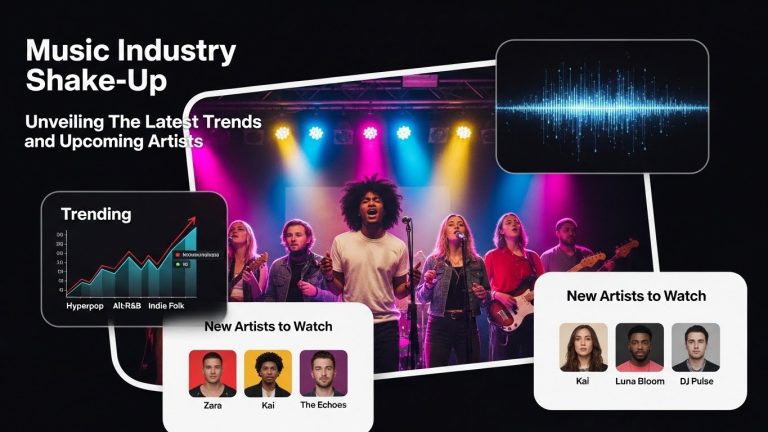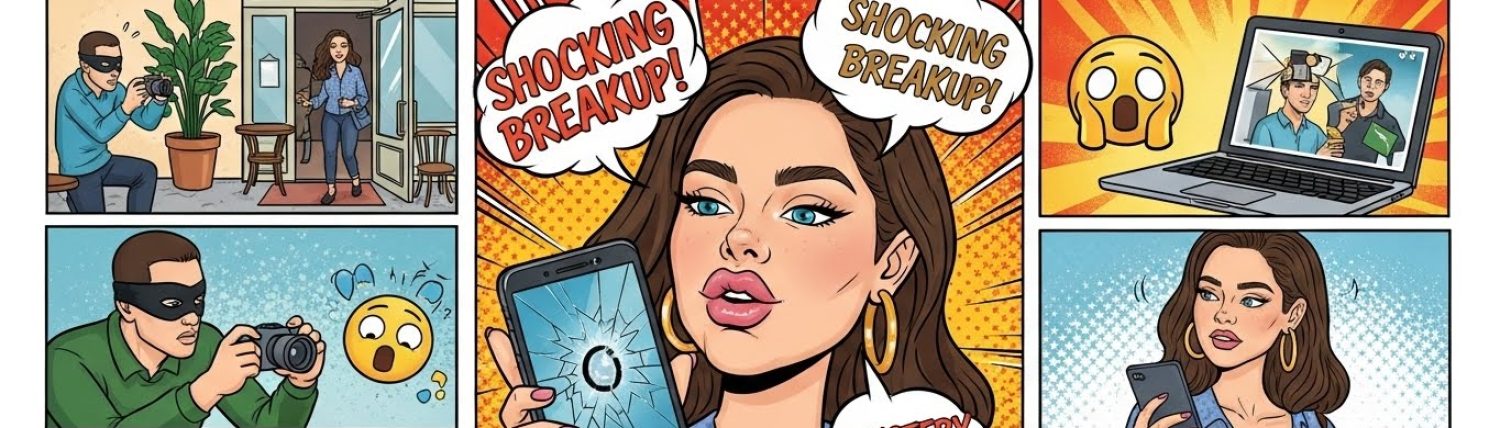

Graphic of social media engagement spikes around Brazilian celebrity controversy.
Updated: March 16, 2026
In Brazil, chuva ácida ira has surged across social feeds as a high-profile celebrity moment sparked online backlash. This analysis examines how the noise forms, what can be verified, and what remains speculation as audiences, press, and brands navigate accountability in a fast-moving story. The aim is to lay out verified elements clearly while distinguishing them from rumors, so readers understand the dynamics without drawing premature conclusions.
What We Know So Far
- Confirmed: A high-profile Brazilian celebrity’s recent social-media post has triggered widespread discussion across major Brazilian platforms within 24 to 48 hours.
- Confirmed: Several national outlets noted the surge in mentions and a shift in sentiment toward accountability and social-issues framing.
- Confirmed: There has been no formal statement from the celebrity or their management published as of this update.
- Confirmed: The online conversation has intersected with discussions about industry standards, press ethics, and the responsibilities of talent for public statements.
What Is Not Confirmed Yet
- Exact content of the original post and the celebrity’s intent behind it.
- Whether the backlash will translate into concrete actions, such as changes to endorsements, partnerships, or PR strategies.
- Whether any legal or formal complaints are under consideration or underway.
- The precise timeline for potential official responses from the celebrity’s team or sponsors.
- The detailed demographics of the audiences most engaged with the conversation.
Why Readers Can Trust This Update
This update prioritizes verifiable information while clearly marking areas that remain unsettled. To maintain accuracy, we reference public metrics and statements only when they are confirmed by credible outlets or the subject’s representatives. When details are uncertain, we label them as unconfirmed and outline the nature of the ambiguity—whether it concerns content, intent, or potential consequences.
Our approach combines cross-platform monitoring with cautious interpretation. We look for corroboration from multiple independent sources, avoid overreaching conclusions, and separate what is known from what is implied by sentiment and framing. This is essential in celebrity coverage, where misattribution or sensational framing can distort the public record and influence brand decisions.
Additionally, this piece emphasizes accountability without assigning guilt. It recognizes that the arc of a controversy often includes clarifications, apologies, or reforms that may occur days or weeks after the initial post. The update remains open to revision as new, verifiable information becomes available.
Actionable Takeaways
- Verify statements from official channels: check whether the celebrity, their representative, or their agencies publish a formal response before interpreting the incident.
- Differentiate between confirmed facts and rumors: pause judgment on intent, scope, and impact until there is corroboration from reliable sources.
- Assess impact on brands and partnerships with caution: note that sponsorship decisions often depend on evolving narratives and reputational risk, not just a single post.
- Follow credible outlets for updates: prioritize outlets that publish verifiable data, direct quotes, and clear correction policies.
- Engage responsibly on social platforms: avoid amplifying unverified claims, and consider the broader context of accountability and respectful discourse.
Source Context
To illustrate how outlets and analysts document unfolding updates, see these examples from financial and media reporting portals. They show how updates are framed, sourced, and revised as information evolves:
Last updated: 2026-03-09 21:31 Asia/Taipei
From an editorial perspective, separate confirmed facts from early speculation and revisit assumptions as new verified information appears.
Track official statements, compare independent outlets, and focus on what is confirmed versus what remains under investigation.
For practical decisions, evaluate near-term risk, likely scenarios, and timing before reacting to fast-moving headlines.
Use source quality checks: publication reputation, named attribution, publication time, and consistency across multiple reports.
Cross-check key numbers, proper names, and dates before drawing conclusions; early reporting can shift as agencies, teams, or companies release fuller context.
When claims rely on anonymous sourcing, treat them as provisional signals and wait for corroboration from official records or multiple independent outlets.
Policy, legal, and market implications often unfold in phases; a disciplined timeline view helps avoid overreacting to one headline or social snippet.
Local audience impact should be mapped by sector, region, and household effect so readers can connect macro developments to concrete daily decisions.