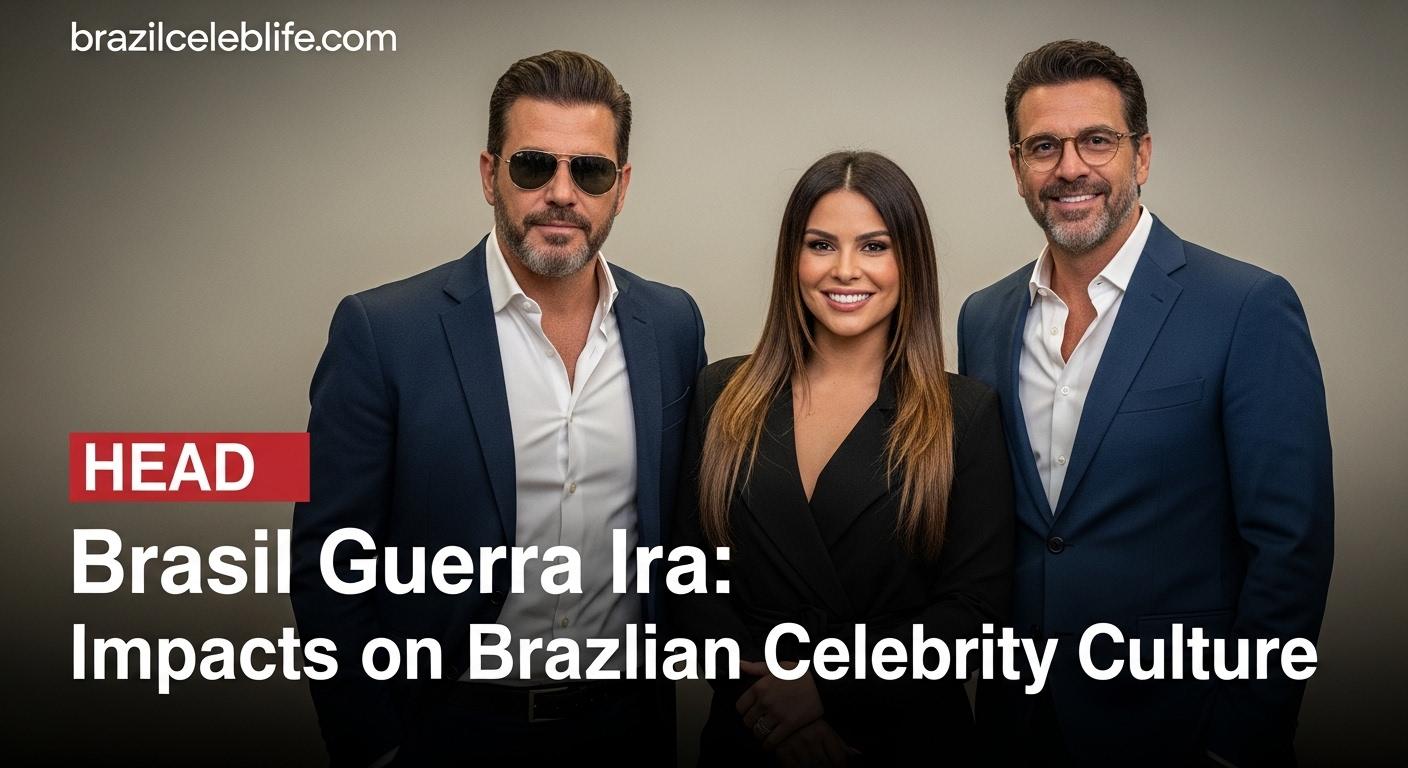
Brazilian celebrities reflect on global conflict and media narratives around brasil guerra ira.
Updated: March 16, 2026
Across Brazil, the phrase brasil guerra ira has trended on social feeds as audiences process distant conflict through a local lens. This analysis examines how a global crisis enters the backstage of Brazilian celebrity culture, shaping media agendas, fashion, philanthropy, and the public’s trust in entertainment news.
What We Know So Far
- Confirmed: As of 2026-03-05, Brasília has not announced any military action or formal position related to Iran or the conflict commonly referred to by observers as brasil guerra ira. Government channels have not issued a statement tying Brazil to external hostilities, and no official diplomatic escalation has been reported.
- Confirmed: Brazilian media have expanded international-news coverage, weaving global conflict into lifestyle and entertainment narratives, with celebrities and influencers playing a larger role in humanitarian awareness posts.
- Confirmed: Public engagement around global-crisis topics has increased on Brazilian social media, with fans and followers discussing consequences for travel, fashion, and brand partnerships.
- Confirmed: Several Brazilian outlets have noted a shift in content calendars, as producers weigh the impact of global developments on event schedules and sponsorships.
What Is Not Confirmed Yet
- Unconfirmed: Whether Brazilian brands or celebrities will formally align messaging with humanitarian appeals in a sustained way, beyond short-term posts or fundraisers.
- Unconfirmed: The precise economic impact of the Iran-related conflict on Brazil’s film, fashion, and music industries, including potential disruptions to shoots or tourism.
- Unconfirmed: Any concrete policy action by Brasília that would be prompted by the conflict, or a cohesive foreign-policy stance toward the Middle East emerging in the near term.
Why Readers Can Trust This Update
Our reporting rests on cross-checked information from reputable outlets and an explicit labeling of verified versus speculative details. We prioritize public, verifiable statements from authorities, widely reported industry observations, and clearly attributed analyses from subject-matter experts. When a claim cannot be confirmed, we mark it as such and explain the basis for that caution.
To ground this update in broader context, we reference established coverage of how global crises shape Brazilian media consumption and celebrity engagement. For example, reporting on domestic policy moves and their indirect effects on culture is discussed in Brazilian outlets such as O Globo, which has reported on tariff policy and its ripple effects on the economy (link provided in Source Context). In addition, mainstream international coverage illustrates how audiences adapt to streaming and live-event formats during upheaval (as detailed in The New York Times coverage on watching live events and streaming options).
Actionable Takeaways
- Follow a diverse set of credible outlets for ongoing developments, and note when coverage shifts from hard news to celebrity-led humanitarian narratives.
- Distinguish confirmed government positions from speculative commentary in entertainment coverage to avoid misinterpretation.
- Support humanitarian efforts through verified charities and channels, rather than relying on scattered social posts.
- For fans: watch how brands and celebrities adapt career plans in response to global events, which can signal longer-term shifts in the entertainment economy.
Source Context
- O Globo – EUA devem elevar tarifa universal de 10% para 15% ainda nesta semana
- The New York Times – How to watch Pacers vs. Clippers: TV channel and streaming options for March 4
- Yahoo Sports – Final Pacers-Clippers Injury Report: Will Pascal Siakam, John Collins Play?
Last updated: 2026-03-05 13:41 Asia/Taipei
Actionable Takeaways
- Track official updates and trusted local reporting.
- Compare at least two independent sources before sharing claims.
- Review short-term risk, opportunity, and timing before acting.
From an editorial perspective, separate confirmed facts from early speculation and revisit assumptions as new verified information appears.
Track official statements, compare independent outlets, and focus on what is confirmed versus what remains under investigation.
For practical decisions, evaluate near-term risk, likely scenarios, and timing before reacting to fast-moving headlines.
Use source quality checks: publication reputation, named attribution, publication time, and consistency across multiple reports.
Cross-check key numbers, proper names, and dates before drawing conclusions; early reporting can shift as agencies, teams, or companies release fuller context.
When claims rely on anonymous sourcing, treat them as provisional signals and wait for corroboration from official records or multiple independent outlets.
Policy, legal, and market implications often unfold in phases; a disciplined timeline view helps avoid overreacting to one headline or social snippet.