
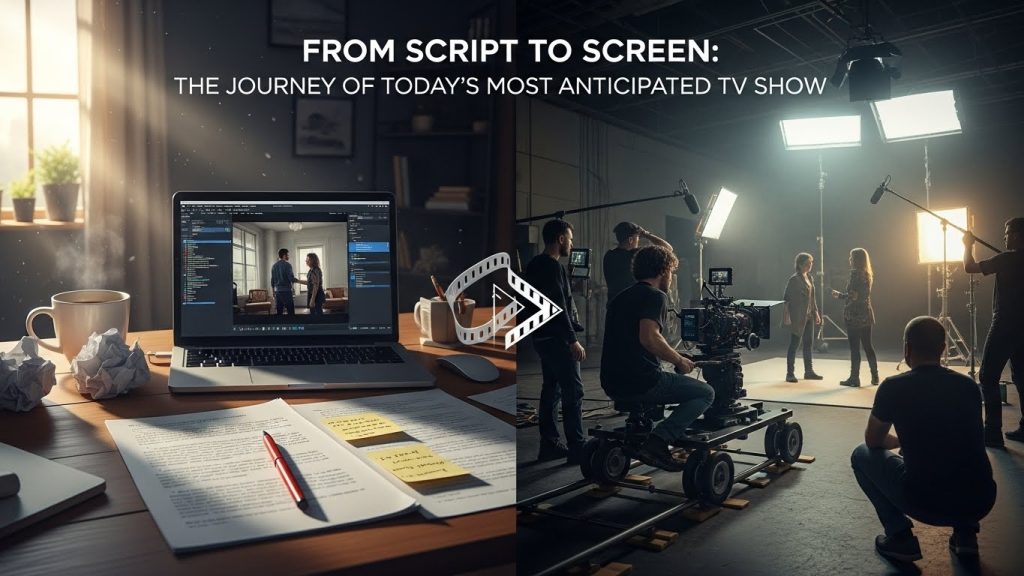
From Script to Screen: The Journey of Today’s Most Anticipated TV Show
In the world of entertainment, the journey from script to screen is a fascinating and intricate process that brings your favorite TV shows to life. With the ever-growing demand for quality content, understanding how a TV show is crafted from its initial concept to the final product can provide valuable insights into the entertainment industry. Join us as we explore the journey of today’s most anticipated TV show, delving into the creative process, production challenges, and the role of technology in shaping modern television.
The Birth of an Idea: Crafting the Perfect Script
Every successful TV show begins with a compelling idea. Writers often draw inspiration from a variety of sources, including personal experiences, current events, literature, or even dreams. Once an idea is conceived, it is transformed into a script—the blueprint for the entire show. This document outlines the plot, characters, dialogue, and setting, serving as the foundational element upon which all other aspects of the show are built.
The script development process can be lengthy and involves multiple drafts, revisions, and input from various stakeholders. Writers often work closely with showrunners, producers, and network executives to refine the script and ensure it aligns with the show’s vision and target audience. This collaboration is crucial, as it sets the tone and direction for the entire production.
Securing a Green Light: The Role of Network Executives
Once a script is polished, it must be pitched to network executives and decision-makers who will determine its fate. Pitch meetings are critical, as they provide writers and producers an opportunity to showcase their project and convince executives of its potential success. Networks consider various factors, including the show’s originality, target demographic, and marketability, before deciding to greenlight the project.

Getting a green light is a significant milestone, but it’s only the beginning of the journey. Networks often require additional adjustments to the script and production plan before committing to a full season. This stage involves meticulous planning and negotiation to ensure the show aligns with the network’s brand and business objectives.
Casting: Bringing Characters to Life
With the script approved, the next step is casting, a critical component of transforming words on a page into believable characters. Casting directors play a pivotal role in this process, scouring the industry to find actors who can embody the characters’ traits and emotions. Auditions are held, and actors are evaluated based on their performances and chemistry with other cast members.
The casting process is not always straightforward, as availability, budget constraints, and creative differences can impact decisions. However, finding the right cast is essential, as the actors’ performances can significantly influence the show’s success. Memorable characters often become the heart of a show, resonating with audiences and driving viewer engagement.
Production: From Set Design to Filming
Once the cast is finalized, production begins. This stage involves a multitude of tasks, including set design, costume creation, and location scouting. Production designers and their teams work meticulously to create immersive environments that align with the show’s artistic vision and enhance the storytelling experience.
Filming is a complex process that requires coordination among various departments, including lighting, sound, and special effects. Directors oversee the filming, ensuring each scene captures the intended emotions and narrative elements. This stage is often time-consuming and requires adaptability, as unforeseen challenges such as weather conditions or technical issues can arise.
Post-Production: Editing and Special Effects

After filming wraps, the project enters post-production, where the raw footage is transformed into a cohesive and polished final product. Editors work closely with directors to piece together scenes, ensuring a seamless flow and pacing that maintains audience engagement. This process involves cutting unnecessary scenes, enhancing audio quality, and incorporating special effects.
Special effects have become increasingly important in modern TV shows, allowing creators to bring fantastical worlds and complex sequences to life. Technological advancements in visual effects have expanded creative possibilities, enabling shows to compete with blockbuster films in terms of spectacle and immersion.
Marketing and Promotion: Building Anticipation
With the show complete, the focus shifts to marketing and promotion. Networks and production companies employ strategic campaigns to build anticipation and attract viewers. This involves creating trailers, organizing press events, and utilizing social media platforms to engage with potential audiences. A well-executed marketing strategy can significantly impact a show’s premiere ratings and overall success.
In today’s digital age, word-of-mouth and online buzz are powerful tools that can propel a show to viral status. Engaging with fans through interactive content and exclusive behind-the-scenes footage can foster a dedicated fanbase and enhance viewer loyalty.
The Premiere: Reaching Audiences Worldwide
The premiere is the culmination of months, if not years, of hard work and dedication. On the designated air date, the show is broadcast to audiences worldwide, marking the beginning of its journey in the public eye. Ratings and viewer feedback play a crucial role in determining the show’s future, influencing decisions regarding renewals and subsequent seasons.
For creators, the premiere is both exhilarating and nerve-wracking, as it represents the moment when their vision is finally shared with the world. Successful premieres often lead to increased media coverage, fan discussions, and potential awards recognition, further solidifying the show’s place in the entertainment landscape.

Conclusion: The Ever-Evolving TV Landscape
The journey from script to screen is a testament to the creativity, collaboration, and perseverance of countless individuals in the entertainment industry. As technology continues to evolve, so too does the way we consume and create television content. Streaming platforms have revolutionized the industry, offering new opportunities for diverse storytelling and allowing shows to reach global audiences like never before. To explore more about this evolution, visit Streaming Media.
Today’s most anticipated TV shows are not just entertainment; they are cultural phenomena that reflect and influence our society. By understanding the intricate process behind their creation, we gain a deeper appreciation for the art of storytelling and the power of television in shaping our world. As we look to the future, one thing remains certain: the journey from script to screen will continue to captivate audiences and inspire the next generation of storytellers.
The Impact of Streaming Services on TV Show Production
The rise of streaming services such as Netflix, Amazon Prime, and Disney+ has significantly impacted the production and distribution of TV shows. These platforms offer creators unprecedented freedom and flexibility, allowing for innovative storytelling and content that may not fit traditional network models. For instance, streaming services often provide creators with larger budgets and fewer content restrictions, enabling them to explore bolder themes and experiment with different formats.

With the global reach of streaming platforms, TV shows can now be released to a worldwide audience simultaneously, bypassing traditional geographical restrictions. This has allowed shows to build international fan bases and has led to the emergence of global hits like Stranger Things and The Crown. The ability to binge-watch entire seasons has also changed viewer habits, encouraging the creation of more serialized, narrative-driven content.
The Role of Data Analytics in Shaping TV Content
In the digital age, data analytics play a crucial role in shaping TV content. Streaming services have access to vast amounts of viewer data, which they use to tailor content to audience preferences. By analyzing data on viewer demographics, viewing habits, and engagement levels, creators can make informed decisions about the types of shows to produce and how to market them effectively.
This data-driven approach has led to the production of highly targeted content that resonates with specific audience segments. For example, Netflix’s algorithm-driven recommendations and content development strategies have been instrumental in the success of many original series. As the industry continues to evolve, the integration of data analytics will remain a key factor in determining the success of new TV shows.
The Rise of Interactive Television
Interactive television is an emerging trend that offers viewers a more immersive and engaging experience. Shows like Black Mirror: Bandersnatch have pioneered the use of interactive storytelling, allowing viewers to make choices that influence the narrative outcome. This interactive format blurs the line between traditional passive viewing and active participation, creating a unique and personalized experience for each viewer.
The potential of interactive television is vast, with opportunities to integrate gamification elements, virtual reality, and augmented reality into future productions. As technology continues to advance, interactive TV shows are expected to become more prevalent, offering creators new ways to engage audiences and tell compelling stories.
Challenges and Opportunities in the TV Industry
Despite the numerous advancements and opportunities in the TV industry, there are also significant challenges. The highly competitive nature of the market means that shows must consistently deliver high-quality content to capture and retain viewers. Additionally, the shift towards digital streaming has disrupted traditional advertising models, prompting networks and creators to explore alternative revenue streams, such as branded content and merchandise.
Furthermore, the industry’s rapid evolution requires creators to adapt quickly to new technologies and viewer expectations. The demand for diversity and representation in media is also a growing focus, pushing creators to produce content that reflects a wide range of perspectives and experiences.
Final Thoughts: The Future of TV Show Production
As we look to the future, the TV industry is poised for continued transformation. Advances in technology, changes in consumer behavior, and the rise of new platforms will shape the way TV shows are produced and consumed. For creators, this presents both challenges and opportunities to innovate and redefine the storytelling experience.
The journey from script to screen will remain an essential part of the entertainment landscape, continually evolving to meet the demands of a dynamic and diverse audience. As we embrace these changes, the art of television will continue to captivate, inspire, and connect viewers around the world, ensuring its place as a cornerstone of modern culture.
For more insights into the future of television production and trends, you can explore resources at Broadcast Now.
About the Author