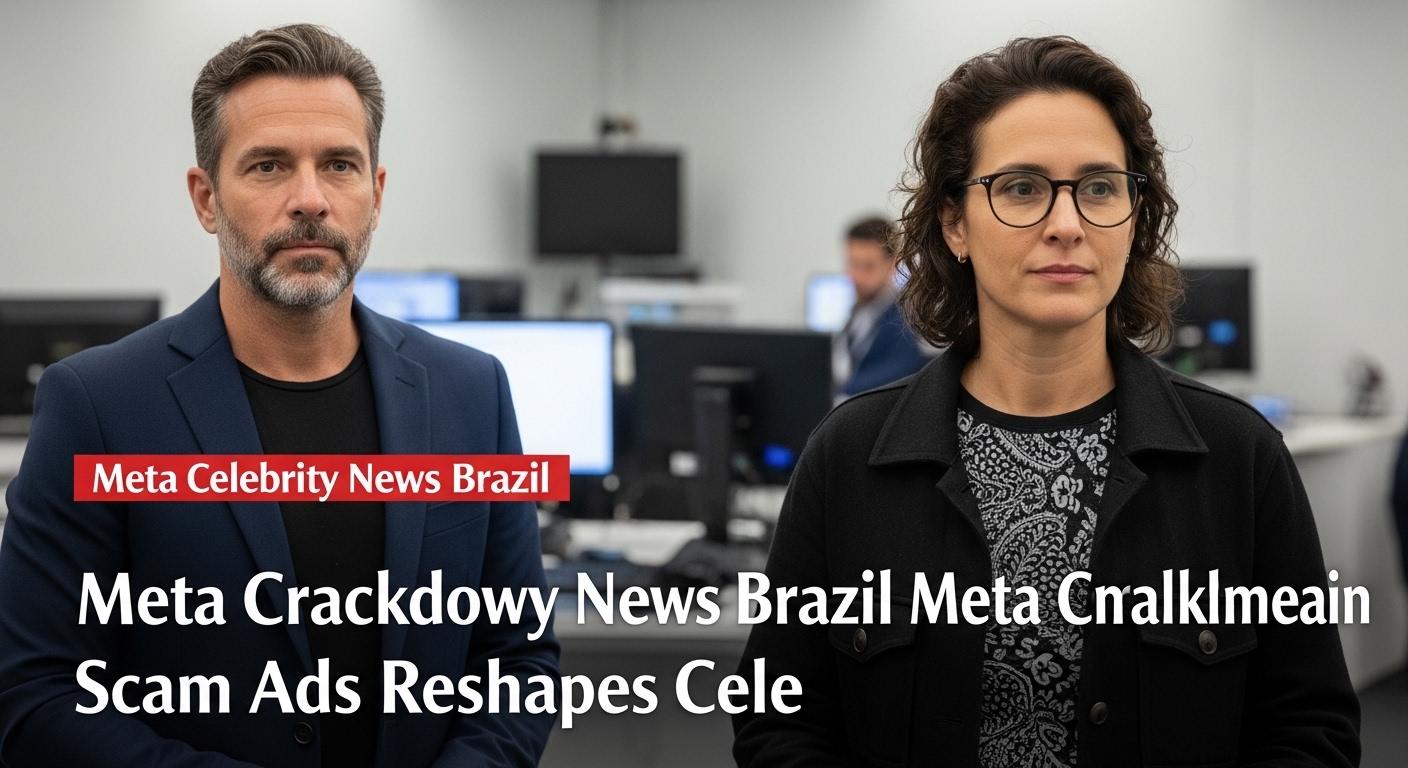
Analytical editor discussing Meta's crackdown on scam ads in Brazil.
Updated: March 16, 2026
In brazilian Celebrity News Brazil, the spotlight often travels far beyond the red carpet, tracing how fame, beauty standards, and media pressure shape both stars and their followers across Brazil’s dynamic media landscape.
The Social Cost of the Brazilian Beauty Standard
The Brazilian cultural script has long intertwined physical appearance with social mobility and aspirational identity. In recent years, the growth of influencer culture and cosmetic clinics has amplified a market where transformations are marketed as gateways to opportunity, visibility, and economic value. The result is a feedback loop: fans chase a curated aesthetic, influencers respond with amplified disclosures or endorsements, and media outlets chase headlines that translate into clicks. This dynamic fosters not only cosmetic experimentation but a broader normalization of procedures as routine life choices rather than medical decisions. Public health observers warn that this normalization can obscure risk, including complications, unsatisfactory results, and psychological effects associated with constant comparison. While regulation has improved in some segments, the industry remains fragmented, with clinics ranging from highly regulated medical settings to less supervised boutique spaces. The Brazilian context adds the layers of a thriving beauty economy, intense social media competition, and a population with mass access to smartphones and online networks. This confluence makes brazilian Celebrity News Brazil not merely entertainment coverage but a lens on how value, youth, and visibility are engineered in contemporary society.
Celebrity Health: Risks and Responsibility
When a high-profile figure shares a medical or cosmetic choice, the aggregate narrative can distort risk perception. Public conversations often race ahead of medical nuance: what is normal, what is risky, and who bears responsibility for informing audiences. Journalists, publicists, and platforms carry a duty to contextualize: to describe potential complications, to outline why procedures carry different risk profiles depending on age, health history, and the clinic standard. Fans respond emotionally, sometimes seeing celebrity surgery as evidence of personal agency, sometimes as a cautionary tale. The ethical balance lies in reporting that respects autonomy while clarifying medical realities, avoiding sensationalism that reduces complex decisions to one-choice-fits-all answers. In Brazil’s diverse media ecosystem, outlets increasingly experiment with formats—explainers, expert commentary, patient-centered narratives—that help demystify procedures without glamorizing risk. This shift matters for both the industry’s credibility and the public’s ability to make informed decisions about health and aesthetics.
Platform Pressures and the News Cycle
Digital platforms reward engagement, and cosmetic topics often generate high-intensity reactions. The same audience that follows a star’s post about a new look may also demand the next big reveal, driving a cycle of coverage that can blur lines between reporting and promotion. In Brazil, where social media penetration is among the highest in the world, algorithmic amplification can magnify both positive transformations and negative comparisons. This environment shapes not only what gets reported but how it is framed: headlines may emphasize transformation milestones, while deeper stories explore industry practices, regulation, and patient safety. The result is a media landscape that can inform, normalize, or sensationalize depending on editorial choices and audience feedback. Critical, value-driven journalism—paired with transparent sourcing and expert input—helps readers distinguish aspirational content from credible health information and responsible industry analysis.
Policy and Industry Response
Experts and regulators argue that progress hinges on a multi-pronged approach: stronger advertising standards for cosmetic clinics, clearer disclosures about sponsorships and medical qualifications, and better consumer education campaigns that explain risks and realistic outcomes. Public health bodies can encourage safer practices without curtailing individual autonomy, while media organizations can embed health literacy into coverage and avoid glamorizing risky procedures. The industry itself bears responsibility to raise standards—boards of medicine or dentistry, when applicable, can raise the bar for credentialing, clinics can publish transparent procedure data, and platforms can promote verified information from credible medical sources. If Brazil’s celebrity culture continues to command outsized influence, the convergence of policy reform and professional accountability could help ensure that visibility does not come at the expense of safety or informed choice.
Actionable Takeaways
- Fans and readers: approach cosmetic transformation stories with critical thinking; seek credible medical information and consider multiple perspectives before forming judgments.
- Journalists and editors: prioritize context, medical accuracy, and expert voices; avoid sensational framing that overemphasizes appearance changes.
- Platforms: invest in health literacy tools, clearly label sponsored content, and promote credible health information in cosmetic-related feeds.
- Policy makers and regulators: strengthen advertising disclosures for cosmetic procedures and tighten oversight of clinics that target vulnerable audiences.
- Industry stakeholders: improve credentialing transparency, share outcomes data, and commit to ethical marketing that respects patient safety above hype.
Source Context
For readers seeking broader context around media narratives about celebrity culture, cosmetic health, and South American reporting, the following sources offer background readings. They are provided here for context and are not endorsements of any specific claims.