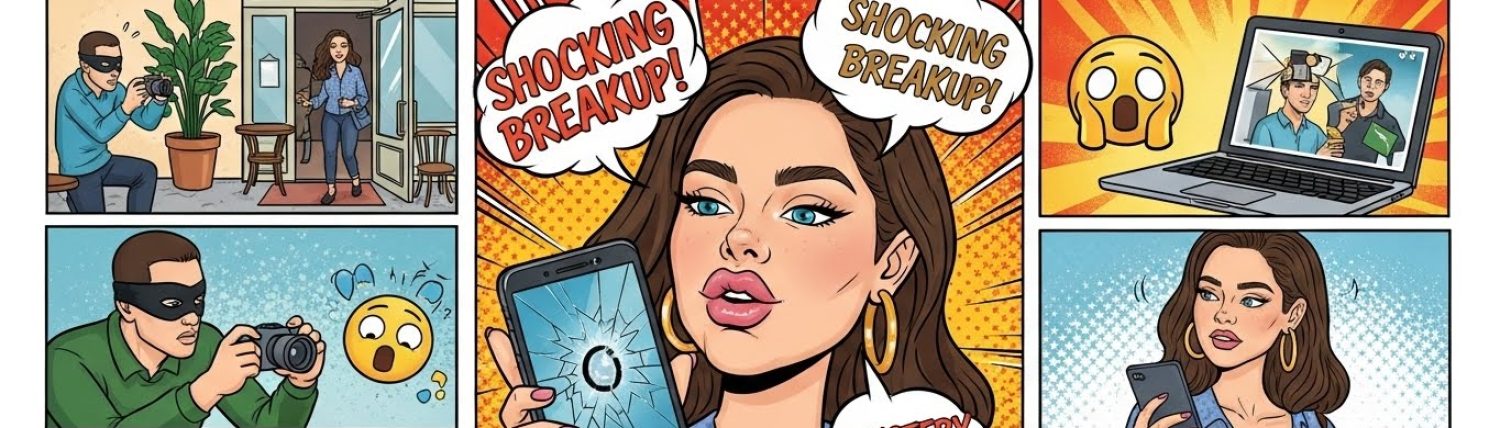

Illustration of Meta branding with Brazilian celebrities and a warning against ad scams
Updated: March 16, 2026
Meta’s recent legal action against scam advertisers reverberates through the media landscape, and in Brazil the debate centers on what meta Celebrity News Brazil should be allowed to do to protect audiences, celebrities, and brands.
Context and Stakes
In Brazil, the convergence of celebrity culture, social media monetization, and consumer trust creates a high-stakes environment for advertisers and platforms alike. The lawsuits signal a shift from reactive takedowns to proactive policing of ads that leverage celebrity imagery to lure followers into scams. For Brazilian readers, the issue isn’t only about legality; it’s about what safety guarantees exist when scrolling through feeds that feel personal and intimate.
Meta’s action also places Brazil in the crosshairs of a broader digital-policing project that platforms have long promised but rarely delivered with consistency. When the company targets advertisers, it sends a message about responsibility across a market that spends billions on influencer campaigns each year. The ripple effects touch not only media agencies but the celebrities whose likenesses are co-opted in these fraud schemes, often without consent or proper attribution.
Analysts warn that the real test is whether this legal stance translates into verifiable changes on the ground: clearer sponsorship disclosures, faster removal of deceptive content, and a transparent path for users to report suspicious activity. For a country where social feeds double as storefronts and civic discourse, a credible, enforceable standard matters more than a single courtroom victory.
Advertising Ecosystem Under Scrutiny
The brazen fusion of celebrity appeal with digital marketing has created an ecosystem where legitimacy and illusion can blur in seconds. Meta’s lawsuits target the business models behind “celeb bait” schemes—ads that ride on familiar faces to push dubious products, often without proper disclosure. In Brazil, where influencer marketing has become a mainstream career path, the line between endorsement and endorsement-by-implication is frequently tested by budget pressures and agency incentives.
Crucially, the action underscores a larger industry risk: if brands cannot trust the platform’s policing, they may retreat to safer, less visible channels or demand stricter verification procedures. That could help legitimate advertisers, but it also raises the bar for small creators who rely on affordable sponsorships to reach audiences. Platforms face the challenge of balancing aggressive anti-fraud measures with preserving the creative, economy of scale that has driven Brazilian celebrity culture online.
Cross-Border Legal Angles
Although the headlines spotlight Brazil, Meta’s action spans multiple jurisdictions, including China. That cross-border dimension introduces complexity because enforcement, privacy norms, and consumer-protection regimes differ sharply. In Brazil, enforcement bands with LGPD-era expectations for data-use and transparency, while in China, the regulatory environment for online advertising and influencer endorsements operates under a separate, state-driven framework. The juxtaposition reveals a growing trend: global platforms attempting to harmonize anti-fraud practices across markets while negotiating local rules and enforcement realities.
For Brazilian stakeholders—advertisers, regulators, and creators—the practical takeaway is clarity. If a platform steps up with uniform anti-fraud standards, it could reduce the prevalence of deceitful campaigns that waste marketing budgets and erode audience trust. If not, a fragmented, market-by-market patchwork may emerge, slowing legitimate growth for influencer marketing and creating uneven competitive conditions for Brazilian brands.
Policy Pathways and Industry Response
Policy makers and industry players are co-creating a roadmap that blends hard enforcement with practical guardrails. Expected pathways include more stringent disclosure requirements for sponsored content, standardized reporting of ad spend and campaign performance, and improved signal-sharing between platforms and regulators. For Brazil, the challenge is to translate these guidelines into enforceable rules that do not stifle creativity or undermine the vibrancy of the local influencer economy.
Industry players—advertisers, agencies, and platforms—may respond by investing in audit mechanics, expanding access to third-party verification partners, and building transparent dashboards for brands to monitor who funded a post, what claims were made, and what outcomes were achieved. The result could be a more predictable market where celebrities and brands can collaborate with confidence, while consumers receive clearer cues about authenticity and sponsorship. The long arc points to a privacy-conscious, accountability-driven model that better serves Brazilian audiences without damping the energy of the country’s celebrity culture online.
Actionable Takeaways
- Strengthen due diligence for influencer campaigns: require written sponsorship terms, and explicit disclosures for all posts claiming a product endorsement.
- Adopt independent verification: use third-party audits to confirm campaign authenticity and refrain from paid placements in opaque networks.
- Implement platform-level safeguards: deploy real-time fraud detection, share identified scam patterns with regulators, and enforce penalties for repeat offenders.
- Educate audiences: provide clear indicators of sponsored content and teach users how to report suspicious ads or profiles.
- Coordinate cross-border compliance: unify internal policies with local regulations, and maintain a transparent record of partnerships and endorsements for regulatory review.
Source Context
Representative coverage and official statements include: