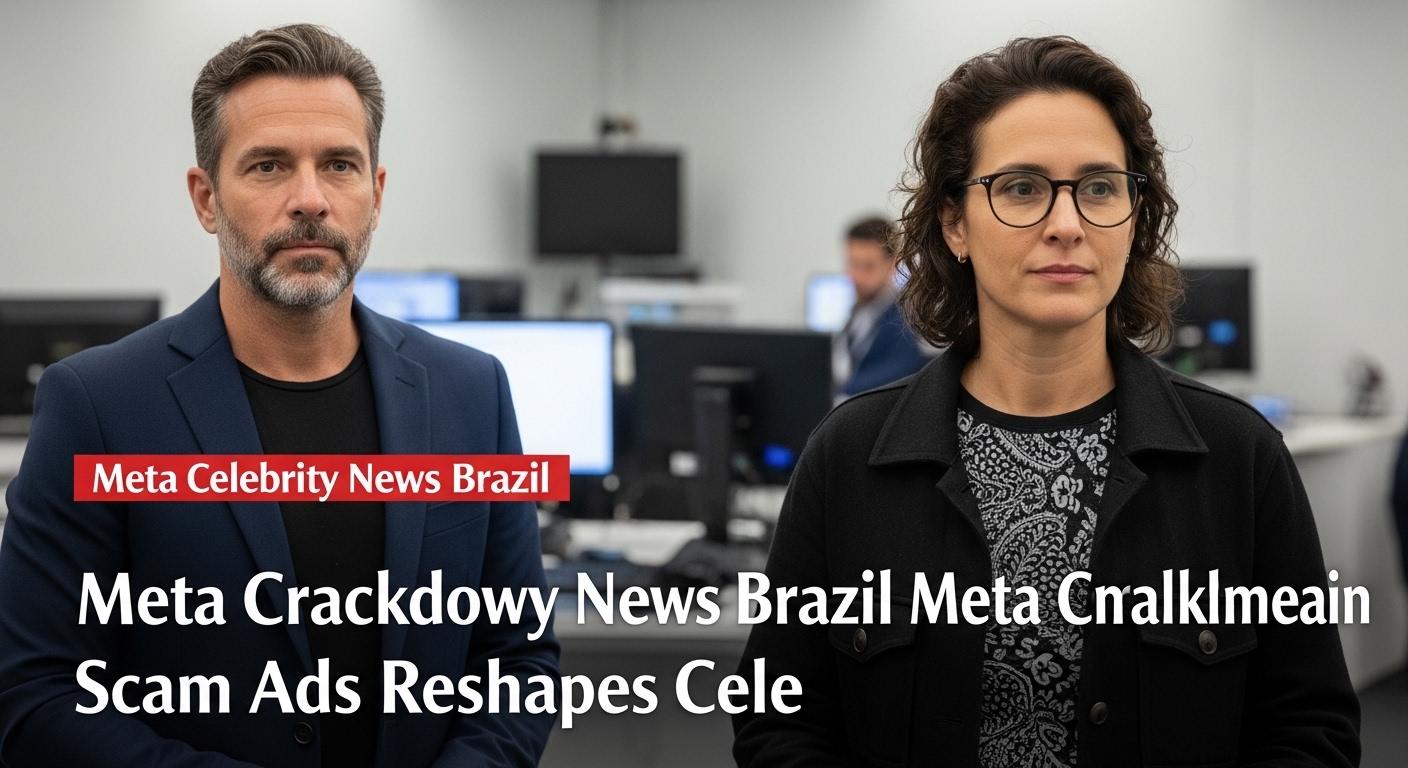
Analytical editor discussing Meta's crackdown on scam ads in Brazil.
Updated: March 16, 2026
In meta Celebrity News Brazil, a quiet but consequential shift is underway: Meta’s renewed focus on fighting scam advertising targets a familiar tactic that exploits fan culture around Brazilian celebrities. The move comes as platforms globally recalibrate safety policies, but it lands with particular resonance in Brazil, where influencer-led marketing has grown into a multimillion-dollar ecosystem and where trust between audiences and brands is repeatedly tested by misleading campaigns.
Context: a global crackdown meets Brazilian media
The crackdown against deceptive advertising is not isolated to one country. Meta’s actions, echoed by other platforms, aim to curb campaigns that rely on celebrity bait—ads that promise meet-and-greets, exclusive drops, or memorabilia tied to famous personalities. The recent reporting on Meta’s legal actions in Brazil and related efforts in China suggest a coordinated push to raise the cost of fraud for advertisers and to defend user trust across multilingual markets. In Brazil, where social networks are deeply woven into daily life, the stakes are high: a large, diverse audience consumes influencer-driven content daily, and a subset of this audience can be especially vulnerable to misleading promises. While publicizing enforcement, Meta has framed these moves as protecting users from scams that distort the ecosystem and undermine legitimate creators and brands. The cross-border angle matters because advertisers often run campaigns across regional markets, complicating enforcement and raising questions about how platform policy translates into real-world consequences for local creators, agencies, and small businesses.
The economics of celeb bait scams
Celebrity bait scams thrive where engagement is high and trust is perishable. In Brazil, fans show intense loyalty to preferred creators, teams, and artists, which scammers exploit by offering time-limited opportunities or exclusive access that requires clicking through to a fraudulent page. This model works precisely because it feeds off social proof: if a post looks like it’s endorsed by a beloved star, it seems legitimate enough for many users to take a chance. The economic logic is simple: the cost of running such schemes scales with reach and velocity. A handful of coordinated accounts can drive millions of impressions at a low marginal cost, while the return comes from fake signups, fake giveaways, and affiliate-style schemes that siphon ad spend or lead generation budgets away from legitimate campaigns. The Brazilian market’s rapid adoption of influencer marketing means many brands rely on performance-based contracts, sometimes with limited room for early-detection and remediation when a campaign goes awry. The result is a marketplace where misinformation can spread quickly, and where advertisers, agencies, and creators must navigate a thin line between provocative content and deception.
Policy leverage and practical consequences
Policy action by Meta and partners can push platforms toward more stringent verification and disclosure requirements. The practical consequences depend on how aggressively enforcement is carried out: if done with clear guidelines and with an emphasis on transparency, legitimate advertisers can benefit from a cleaner market, while dubious operators are forced to adjust or retreat. In Brazil, this dynamic interacts with consumer protection norms and the country’s evolving digital regulatory landscape. For example, brands may start requiring advertisers to verify accounts, submit authentic influencer contracts, and publicly label sponsored content to reduce ambiguity for audiences. Content creators who historically relied on quick-turnaround campaigns may shift toward longer-term partnerships with disclosed terms and verifiable metrics. Yet enforcement carries risks. Overreach or mislabeling of content could chill legitimate advertising or penalize smaller influencers who lack robust compliance infrastructure. The balance between swift action against fraud and fair treatment for compliant players will shape how visible the crackdown is in coming quarters and whether users perceive a safer, more trustworthy ad environment or a more constrained, slower-moving ecosystem.
Risks for platforms and users
Platforms wrestle with false positives and the administrative burden of policing vast feeds. The question is not merely about catching obvious frauds but about creating scalable, nuanced triggers that distinguish clever marketing from outright deception. For users, the primary risk remains exposure to scams that impersonate celebrities or imply endorsements from familiar names. The Brazilian audience, accustomed to rapid-fire social updates, may experience a temporary spike in perceived ad safety as policies tighten, but there is also concern about user fatigue as clear disclosures and verification requirements multiply across feeds. In the long run, the success of these efforts will hinge on consistent policy communication from platforms, accessible reporting tools for users, and credible remedies for victims of scams—so that trust can be rebuilt without stifling legitimate creative expression.
Actionable Takeaways
- Advertisers: implement robust verification for accounts used in campaigns, require explicit sponsorship disclosures, and avoid sensational, unverifiable claims that resemble scams.
- Creators: insist on transparent sponsorship terms, demand documentation for promotional content, and report suspicious campaigns to platform moderators or consumer protection channels.
- Platforms: invest in proactive content-science tools to detect deceptive patterns, enable faster user reporting, and publish clear policy updates with examples of compliant and non-compliant practices.
- Regulators: provide concrete guidelines for influencer advertising, clarify cross-border enforcement mechanisms, and offer practical resources for small businesses navigating online advertising.
- Users: stay vigilant for altered fan pages or impersonations, verify endorsements through official channels, and report suspicious activity promptly to reduce harms for the broader community.