
Illustration of Meta branding with Brazilian celebrities and a warning against ad scams
Updated: March 16, 2026
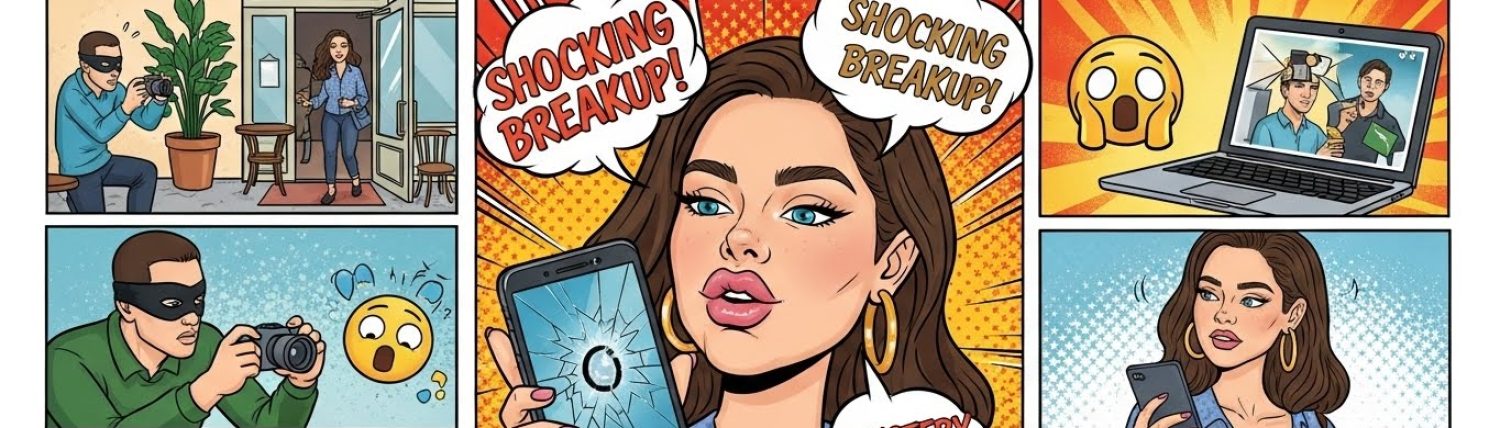
In Brazil, Meta’s decision to pursue legal action against advertisers deploying ‘celeb bait’ scams marks a turning point for meta Celebrity News Brazil, a beat that ties together the mechanics of social platforms, the glamour economy surrounding famous personalities, and the vulnerabilities of fans online. The emergence of these scams—often luring followers with forged prizes, fake meet-and-greet opportunities, or unauthenticated access to premium content—reflects a broader trend: as audiences migrate to social feeds for daily entertainment, bad actors have learned to mimic authentic celebrity endorsements with alarming fidelity. Meta’s lawsuit stack, which includes actions aimed at advertisers who orchestrate such campaigns, is less about punishing a few rogue marketers than about recalibrating the economics of attention in Brazil’s bustling online market. For readers of meta Celebrity News Brazil, this is not merely a legal story; it is a case study in how platform governance, regulatory expectations, and the cult of celebrity collide in a way that can either erode or rebuild trust in digital media. The implications ripple beyond headlines: advertisers will need stricter verification, influencers will face new scrutiny, and audiences may demand more transparency about what content is paid and what is authentic.
Meta’s Legal Move and Its Global Context
Globally, Meta’s actions against scam advertisers across Brazil and China reflect a broader platform strategy to police deceptive ad practices without throttling legitimate creativity. In Brazil, the focus is on campaigns that piggyback on celebrity name recognition to lure fans into fake offers, often masquerading as exclusive access or giveaways. This mirrors earlier regulatory pressure in other regions while also testing Brazil’s enforcement environment, which blends consumer protection provisions with the realities of a fast-moving digital economy. The coverage from Engadget notes that Meta is pursuing advertisers directly, a move that could raise the cost of fraud for bad actors and, over time, reduce the prevalence of “celeb bait” tactics in the Brazilian space. In parallel, Meta’s action is observed through a China-focused lens, underscoring that platform governance operates across borders even as the contexts differ (data localization, ad markets, and regional media licensing). For Brazilian readers, the lesson is not only about a single lawsuit, but about how platforms translate high-stakes policy into on-the-ground changes for creators, marketers, and fans.
The Brazilian Landscape: Ad Regulation and Celebrity Culture
Brazil’s online advertising ecosystem sits at the intersection of rapid social-media growth and consumer skepticism. The country has a vibrant influencer economy where fans feel a close, almost participatory connection with celebrities, creators, and media figures; this makes the space attractive for advertisers but also vulnerable to scams that exploit trust. Regulatory pressures in Brazil, including consumer-protection standards and evolving digital-ad guidelines, compel platforms to act with greater transparency. The Meta case could catalyze Brazilian regulators to push for clearer labeling of paid content, stricter verification of the identity and affiliation of advertisers, and more visible disclosures around sponsorships within popular feeds. For audiences, that means more reliable signals when a post is promotional versus organic—an outcome that could stabilize engagement metrics, improve trust in celebrity content, and encourage more precautionary media literacy among viewers who routinely encounter endorsements during a scroll through social feeds.
From Scams to Trust: Implications for Audiences and Brands
The shift from reactive enforcement to proactive governance has practical consequences for brands and creators alike. Brands gain a shield against reputational damage when platforms crack down on fraudulent campaigns that freely leech attention without accountability. Influencers and celebrities may face new verification requirements, which could raise production costs but also raise the quality of endorsed content. For Brazilian audiences, the change translates into clearer cues about authenticity, which can improve the effectiveness of legitimate campaigns and blunt the impact of scams. Platforms like Meta may also adjust algorithms to deprioritize suspicious ad formats or to elevate verified sponsorships, altering the economics of reach. In this environment, the most durable players will be those who couple compelling content with transparent disclosures and robust audience education about how ads operate online.
Actionable Takeaways
- Publishers, influencers, and advertisers should implement explicit disclosures for sponsored content, with clear language about what is paid and what is organic.
- Brands entering the Brazilian market should verify the legitimacy of campaigns and avoid using celebrity impersonation or misleading claims in ads.
- Fans and consumers should exercise media literacy, cross-check offers, and report suspicious activity to platform safety teams.
- Platforms must invest in verification processes and transparent reporting dashboards that demystify ad networks and sponsorships for audiences.
- Regulators could consider pragmatic guidelines that balance creative freedom with consumer protection, reducing fraud without stifling legitimate marketing opportunities.