
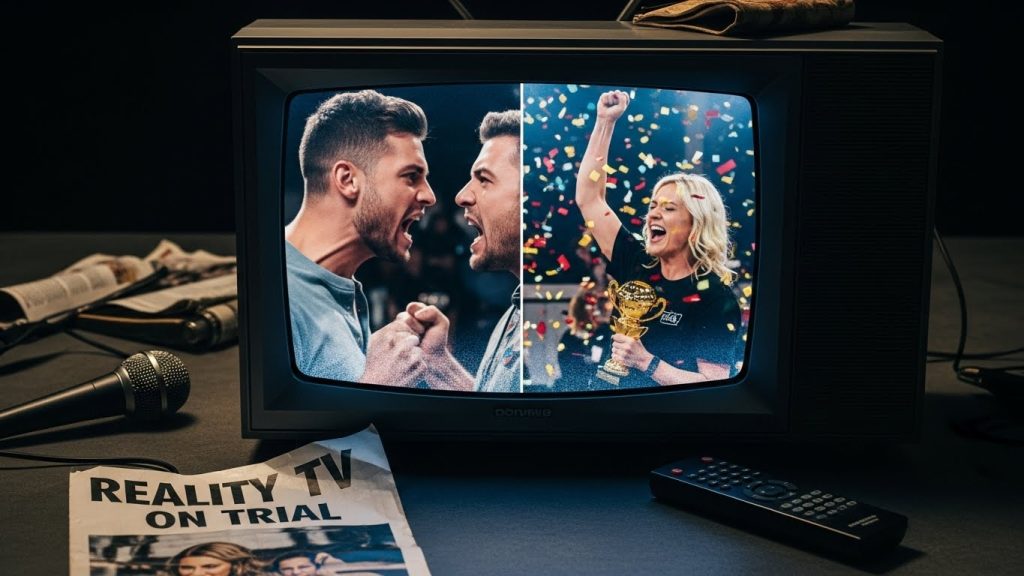
Revolution in Reality TV: A Deep Dive into the Biggest Controversies and Breakout Stars
Reality television has become a dominant force in the entertainment industry, captivating audiences with its seemingly unscripted drama and relatable personalities. Since its inception, the genre has evolved significantly, giving rise to controversies and breakout stars that have left a lasting impact on popular culture. In this blog post, we delve into the evolution of reality TV, explore some of its biggest controversies, and spotlight the stars who have emerged from obscurity to become household names.
The Evolution of Reality Television
Reality television as we know it today began in the early 1990s, with programs like “The Real World” on MTV pioneering the genre. This innovative format allowed viewers to peek into the lives of strangers living together, sparking interest and debate. As the years progressed, the genre evolved, incorporating elements of competition, lifestyle, and adventure.
By the early 2000s, reality TV hit its stride with shows like “Survivor” and “Big Brother,” which combined strategic gameplay with social dynamics. These programs not only entertained but also created a blueprint for future reality series. The success of such shows led to a proliferation of reality TV formats, ranging from talent competitions like “American Idol” to culinary challenges on “Top Chef.”
Controversies in Reality TV
With its rapid rise, reality TV has not been without its share of controversies. One of the most prominent issues is the ethics surrounding participant treatment and the editing process. Critics argue that producers manipulate narratives to create drama, sometimes at the expense of participants’ mental health. This has led to calls for better support systems and transparency within the industry.
Another significant controversy involves the authenticity of reality TV. Despite being marketed as unscripted, many shows have faced accusations of staging scenes or providing participants with scripts. This has raised questions about the legitimacy of the genre, challenging producers to maintain viewer trust.

Furthermore, reality TV has been criticized for perpetuating stereotypes and lacking diversity. Shows often cast participants who fit certain archetypes, reinforcing societal norms and biases. This has prompted discussions about the need for more inclusive and representative casting practices in reality programming.
Breakout Stars: From Obscurity to Stardom
Despite its controversies, reality TV has served as a launching pad for numerous stars who have transcended the genre to achieve mainstream success. Perhaps one of the most notable examples is Kim Kardashian, who rose to fame through the reality show “Keeping Up with the Kardashians.” Her success has paved the way for a new breed of celebrity who leverages their reality TV platform to build a personal brand and business empire.
Similarly, stars like Kelly Clarkson and Carrie Underwood found their footing on “American Idol,” using the show as a stepping stone to successful music careers. Their stories highlight the potential for reality TV to discover and nurture genuine talent, providing opportunities that might not otherwise exist in the traditional entertainment industry.
Other notable breakout stars include Bethenny Frankel from “The Real Housewives of New York City,” who transformed her reality fame into a multimillion-dollar business with her Skinnygirl brand, and Guy Fieri, who leveraged his win on “The Next Food Network Star” to become a culinary icon.
The Future of Reality TV
As reality TV continues to evolve, it faces the challenge of staying relevant in an increasingly saturated media landscape. Streaming platforms have expanded the possibilities for reality programming, allowing for more diverse and niche content. Shows like “Queer Eye” on Netflix have revitalized the genre, offering a refreshing take on reality TV with a focus on positivity and transformation.
Moreover, the rise of social media has blurred the lines between reality TV and real life. Many reality stars have capitalized on platforms like Instagram and TikTok to engage with fans and expand their reach beyond television. This intersection of digital media and reality TV presents new opportunities for innovation within the genre.

Takeaways
Reality television has undoubtedly revolutionized the entertainment industry, shaping popular culture and influencing how audiences consume media. While it has faced its fair share of controversies, the genre’s ability to produce breakout stars and adapt to changing times ensures its continued relevance. As we look to the future, reality TV’s capacity for reinvention will determine its place in the entertainment landscape.
For those interested in the broader impact of reality TV, the genre offers a fascinating lens through which to explore societal values and trends. With its unique blend of authenticity and entertainment, reality television remains a captivating and ever-evolving force in the world of entertainment.
Reality TV’s Impact on Society
The influence of reality TV on society cannot be overstated. It has not only changed the way we perceive entertainment but has also had a profound impact on social norms and consumer behavior. Reality television often reflects societal trends, acting as a mirror that showcases prevailing attitudes and beliefs. For instance, shows like “The Bachelor” have sparked conversations about dating norms and gender roles, while series such as “Shark Tank” have inspired entrepreneurial aspirations among viewers.
Moreover, reality TV has played a role in normalizing discussions around mental health and personal challenges. Programs like “Intervention” and “Celebrity Rehab” have brought attention to addiction and recovery, encouraging open dialogue and reducing stigma. By portraying real-life struggles, reality TV can foster empathy and understanding, albeit sometimes sensationalized for entertainment purposes.

However, the impact of reality TV is not always positive. Critics argue that it often glorifies superficial values, promoting materialism and unrealistic standards of beauty. The emphasis on drama and conflict can also perpetuate negative behaviors, such as bullying and manipulation, particularly among younger audiences who may idolize reality TV stars.
Reality TV and Cultural Diversity
In recent years, there has been a growing demand for cultural diversity and representation in reality television. Viewers are calling for shows that reflect the varied backgrounds and experiences of their audiences, challenging producers to create content that is both inclusive and authentic. Programs like “RuPaul’s Drag Race” and “MasterChef” have made strides in showcasing diverse talent and perspectives, contributing to a broader understanding of different cultures and lifestyles.
The push for diversity in reality TV also extends to the types of stories being told. Audiences are increasingly interested in narratives that go beyond the typical reality TV tropes, seeking out content that offers fresh and innovative perspectives. This shift is evident in the popularity of shows like “Terrace House,” a Japanese reality series that offers a more subdued and introspective take on the genre.
Challenges Facing Reality TV
Despite its enduring popularity, reality TV faces several challenges as it navigates the future. One significant issue is the oversaturation of the market, with numerous reality shows competing for viewers’ attention. This has led to concerns about the quality and originality of content, as producers strive to stand out in a crowded landscape.
Another challenge is the ethical considerations surrounding reality TV production. As audiences become more aware of the potential exploitation of participants, there is increasing pressure on producers to uphold ethical standards and provide adequate support for those involved in reality shows. This includes ensuring fair treatment, mental health resources, and transparent contracts.

Finally, the rapid advancement of technology presents both opportunities and obstacles for reality TV. While digital platforms offer new avenues for distribution and audience engagement, they also require producers to adapt to changing consumption habits and preferences. The integration of virtual reality and augmented reality into reality TV formats could potentially revolutionize the genre, providing immersive and interactive experiences for viewers.
Takeaways
Reality television has come a long way since its inception, evolving into a multifaceted genre that continues to captivate audiences worldwide. Its ability to adapt to societal changes and embrace new technologies ensures its relevance in the ever-changing entertainment landscape. However, as reality TV moves forward, it must address the ethical and cultural challenges it faces, striving to create content that is both entertaining and responsible.
The future of reality TV lies in its capacity to innovate and diversify, reflecting the complexities of the world we live in. As audiences demand more authentic and inclusive storytelling, reality television has the opportunity to not only entertain but also educate and inspire, leaving a lasting impact on society for years to come.
Reality TV’s Role in Shaping Trends
One of the most fascinating aspects of reality TV is its power to shape trends and influence public opinion. The genre’s impact on fashion, language, and lifestyle choices is significant, with reality stars often dictating what’s hot and what’s not. For instance, shows like “Project Runway” have propelled fashion trends, while “The Great British Bake Off” has sparked a renewed interest in baking and culinary arts.
Beyond fashion and food, reality TV has also played a role in popularizing certain phrases and catchphrases that permeate everyday conversation. The language used by reality TV stars often enters the vernacular, influencing how people communicate and express themselves. This cultural exchange highlights the genre’s pervasive influence, as viewers not only consume content but also integrate it into their daily lives.
The Psychological Impact of Reality TV
The psychological effects of reality TV on viewers are a subject of ongoing research and debate. While some argue that reality TV provides a harmless form of escapism, others suggest that it can have negative effects on mental health and self-esteem. The portrayal of idealized lifestyles and relationships can create unrealistic expectations, leading to dissatisfaction and comparison among viewers.
However, reality TV also has the potential to inspire positive change. Shows that focus on personal growth and transformation, like “The Biggest Loser,” can motivate viewers to pursue healthier lifestyles and set achievable goals. These programs offer a glimpse into the power of perseverance and resilience, encouraging audiences to make positive changes in their own lives.
The Global Expansion of Reality TV
Reality TV’s impact is not confined to the United States; it has become a global phenomenon with localized versions of popular formats appearing in countries around the world. This international expansion has allowed for cultural exchange and the sharing of diverse narratives, enriching the global entertainment landscape.
Shows like “Big Brother” and “The Voice” have been adapted in numerous countries, each bringing its unique cultural flavor to the format. This global reach has facilitated cross-cultural understanding, as audiences gain insight into the lives and experiences of people from different backgrounds. The success of international reality TV formats underscores the genre’s universal appeal and adaptability.
Takeaways
As reality television continues to evolve, it remains a powerful force in shaping the entertainment industry and influencing societal norms. Its ability to adapt to cultural shifts and technological advancements ensures its ongoing relevance, while the challenges it faces prompt important discussions about ethics and representation.
Whether viewed as a guilty pleasure or a cultural touchstone, reality TV’s impact on society is undeniable. As the genre moves forward, it has the opportunity to embrace diversity, foster positive change, and entertain audiences with compelling and authentic storytelling. The future of reality TV is bright, and its journey promises to be as dynamic and unpredictable as the stories it tells.
About the Author